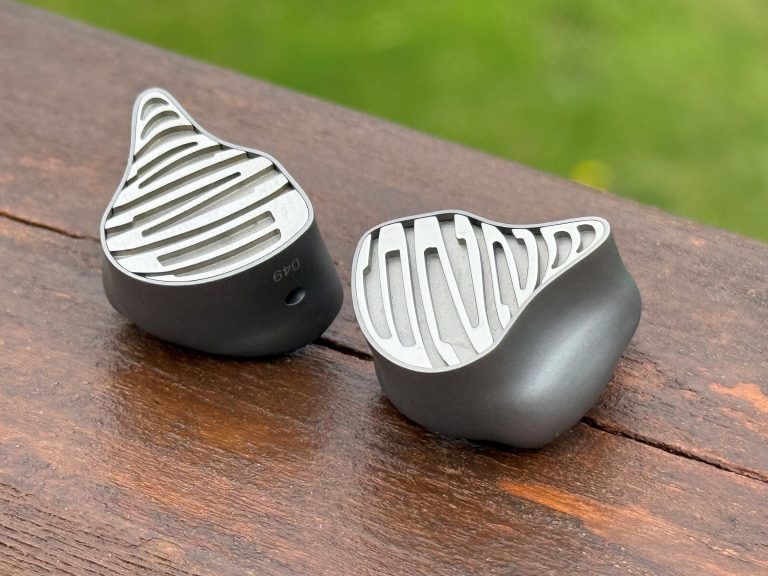
DITA Audio Ventura
> Spacious, speaker‑like staging that feels open without being diffuse
> Incredible balance between musical and technical, with a musical emphasis
> Top‑tier build and attention to detail, from tuning to accessories… you do indeed get what you pay for here
> Cable is on the heavier/thicker side
> A nitpick to be fair, but the case is too big for storing Ventura
- RRP: $4,799
- 1x DD
![PXL_20260117_160011918[1].jpg](https://deepdiveaudioreviews.com/wp-content/uploads/2026/03/img_000-11-scaled.jpg "PXL_20260117_160011918[1].jpg")
Introduction
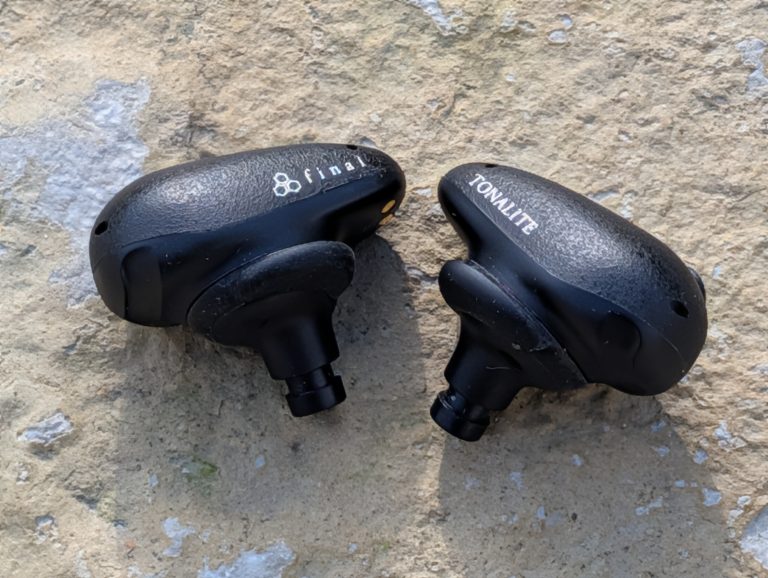
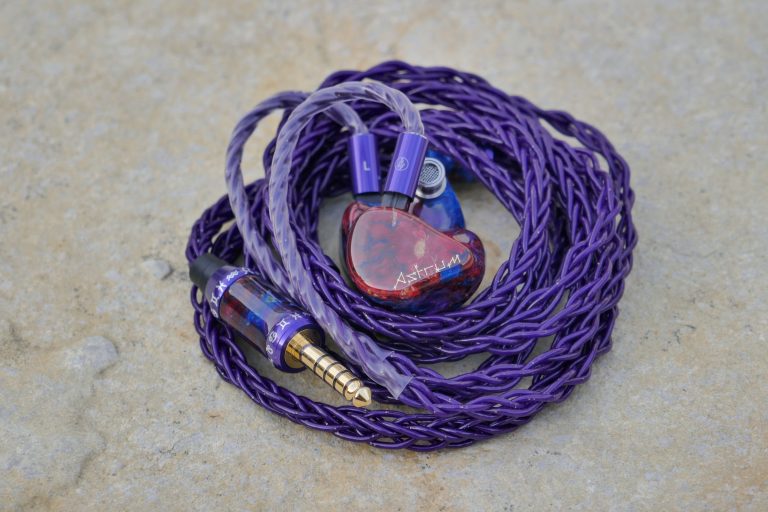
One thing to come straight out with as a full disclaimer before I kick off this review is the fact that I am a 100% devout and loyal follower of DITA, a true case of fanboy if there ever was one! This began a few years ago in 2021 when I first heard about their collaboration with FINAL on the ‘SHICHIKU.KANGEN’ which retailed for $2599 at the time, and was way out of my comfort zone at that point in the addiction/hobby – I drooled over the marketing material at the time, along with reading impressions from those who had taken the plunge. I was already very much a fan of single DDs, and had bought my first ‘expensive’ set at the time, the excellent DUNU ZEN (OG, the Pro came a few months later). Anyway, fast forward a couple of years and it was time to drool again when DITA launched ‘Perpetua’ – a set that became much loved in the community and I think fair to say has a legendary status now, known for it’s wonderful organic tuning. Anyway, after a few months of pondering, I eventually pulled the trigger and bought a set – there was just too much love for them and I could no longer ignore, especially as a fan of single DDs. Perpetua fast became one of my favourite sets, but ultimately I sold them as I do tend to lean towards a bit more precision in IEM – in addition, the small nozzles and heavy weight were a bit hit and miss in terms of fit… I must admit though, I do miss them and have debated buying another set a few times now.
Since then, I have had the privilege and honour to work closely with DITA on the evolution of their brand – the spectacular Project M, equally spectacular Mecha, and perhaps the best value single DD in existence today… the $159 Prelude.
I had regular contact with DITA in the build up to the initial prototypes of Ventura, and again was incredibly fortunate to get a demo unit of the Ventura ahead of launch – I knew at that stage I had heard without question the best single dynamic driver to hit the market… and indeed what has become my personal favourite IEM I have ever heard.
I would like to thank DITA for their trust in me over the last couple of years, and a massive thanks for providing a final retail unit for this review. As always, all words and images are my own with no input from DITA.
I must note also, Asher and Kenneth at DITA are an absolute pleasure to work with, and a credit to the brand – I really admire their enthusiasm and passion for what they do, which is clearly core to the DNA of the brand overall. I have huge respect for the amount of work that goes into a set before they launch, massive attention to detail from the tuning to every element of design, all the way through to the accessories and packaging – DITA are very much about quality over quantity, and this is absolutely evident in the handful of releases that have hit the market in the last two years even.
With that out of the way, you will no doubt have a sense as to how unbelievably positive this review is going to be!
About Me
I worked in the consumer electronics industry for a large part of my career and have been passionate about music and technology for as long as I can remember. Even as a small child, I would ask my mum to put records on the turntable (Abba, Supertramp, and Planxty if anyone is curious).
My music preferences are very varied – anything from classical to techno, indie rock to jazz, and everything in between. In my early teens, I was a big fan of bands like The Cure and The Smiths (still am all these years later). I was bitten by the dance music bug in the early 90s, becoming passionate about genres like techno, house, trance, and IDM. I amassed a huge collection of records and CDs, DJing at various parties and occasional pirate radio station slots. Although it remained a hobby, I still own thousands of records, and my trusty Technics 1210 turntables are still going strong 30 years later.
I am not a professional reviewer, just an enthusiast who loves music and the devices we use to listen to it. Over the last few years, I have become obsessed with IEMs and related gear. I’ve bought and sold many, and kept a select few—ranging from the $20 Moondrop Chu to kilobuck sets like the Aroma Jewel, Oriolus’ infamous ‘Traillii,’ UM Mentor, and various beloved single DDs. Through this exploration, I like to share my thoughts with the Head-Fi community, hoping they might be useful to others. However, remember that this is a highly subjective hobby, and your mileage may vary.
While I’ve been fortunate to own and try a variety of the TOTL sets on the market, I honestly enjoy lower-priced sets as much – especially as the gap continues to close, many much cheaper sets now offering significant value and further driving diminishing returns.
I’ll admit I do suffer from happy ears… rarely do I find an IEM that I genuinely dislike. At this stage, there are very few truly “bad” IEMs; it almost always comes down to individual preference. Since I listen to such a wide variety of genres, I nearly always find synergy with some part of my library. Where my scores reflect deductions is in areas like value for money, poor accessories, or an uncomfortable fit – things that genuinely detract from the overall experience, rather than subjective tuning differences.
About DITA Audio
DITA Audio builds products embodying a quest for the sublime, based off the premise that a well-crafted product is an experience in itself. Beyond the realm of audio, DITA looks to engage partners and clientele with a curiosity and passion for complete design integration and execution. Driving collaborative ventures in the fields of design, engineering and manufacturing to that end.
Established in 1971, DITA’s parent company, Packagers Pte. Ltd, possesses 49 years of research and experience in automation and engineering: Treasured and translated into the uncompromising commitment to craft imbued within every DITA product.
DITA’s heart and soul lies in our love for music, both live and reproduced. DITA specifically built a music room at our Singapore HQ as a reference system. Which its engineers and sound technicians use as a reference point in the tuning of each DITA product.
A word about dynamic drivers…
The world of IEMs for the most part has evolved in recent years to packing in several drivers, each tasked with catering to specific frequencies and coupled with clever tech to connect them all by way of crossovers – many of these to absolutely jaw-dropping effect, and indeed many at pretty reasonable prices as the usual scenario of ‘trickle down’ innovation occurs from the higher end of the market.
It’s fair to say that the humble dynamic driver is somewhat on the edge of the market, especially at the higher end – only really a handful of top tier sets have hit the market in the last couple of years, and it seems a lot of work needs to go into the associated R&D to justify the flagship price points, and more importantly, satisfy the discerning listeners… the select few DD lovers, or even to attract the die-hard tribrid / x-number of driver-type fans. It feels like there is only so much a single driver can achieve, yet I find myself amazed at what brands in this category have managed to pull off in the last couple of years in particular.
For those of us who love the humble DD, a lot of it seems to be about the cohesion, and perhaps the connection with what is more like a traditional 2-channel speaker system that many of us grew up with, especially children of the 70s, 80s, and 90s – probably also somewhat into the 2000s.
My curiosity, excitement, passion, huge enthusiasm for single DDs has been with me for many years now and it has accelerated significantly really since I bought the DUNU ZEN in 2021, that IEM set me off on a journey which ultimately led me to where I am today. While I of course experiment with other transducer configurations, I am always led back to DDs and that is where I am without question most at home. I’m intrigued by what brands are able to achieve by way of the associated innovation for a single driver, and that intrigue has me buying/reviewing sets from sub $200 all the way up to now just shy of $5k, one of the most expensive single DDs in existence.
Specifications:
- Chassis: CNC Titanium in a 7-piece sandwich construction
- Driver: 12mm DD Titanium-Ceramic base with PVD Gold layer
- Sensitivity: 115dB at 1kHz
- Structure: Quad-baffle-tuned acoustic chamber
- Cable: Monofilament single-crystal high purity copper
- Cord Length: 1.2m

Unboxing
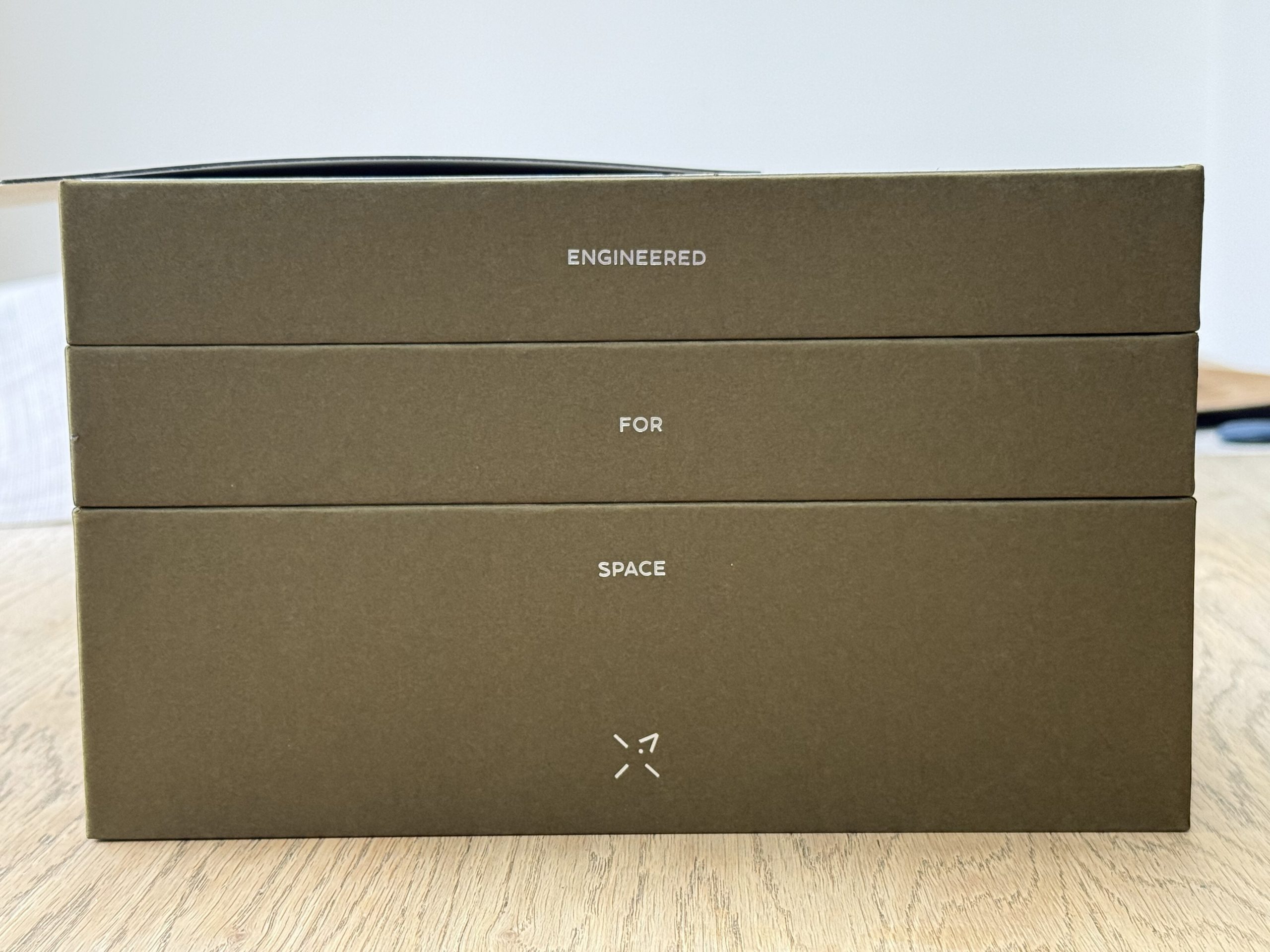
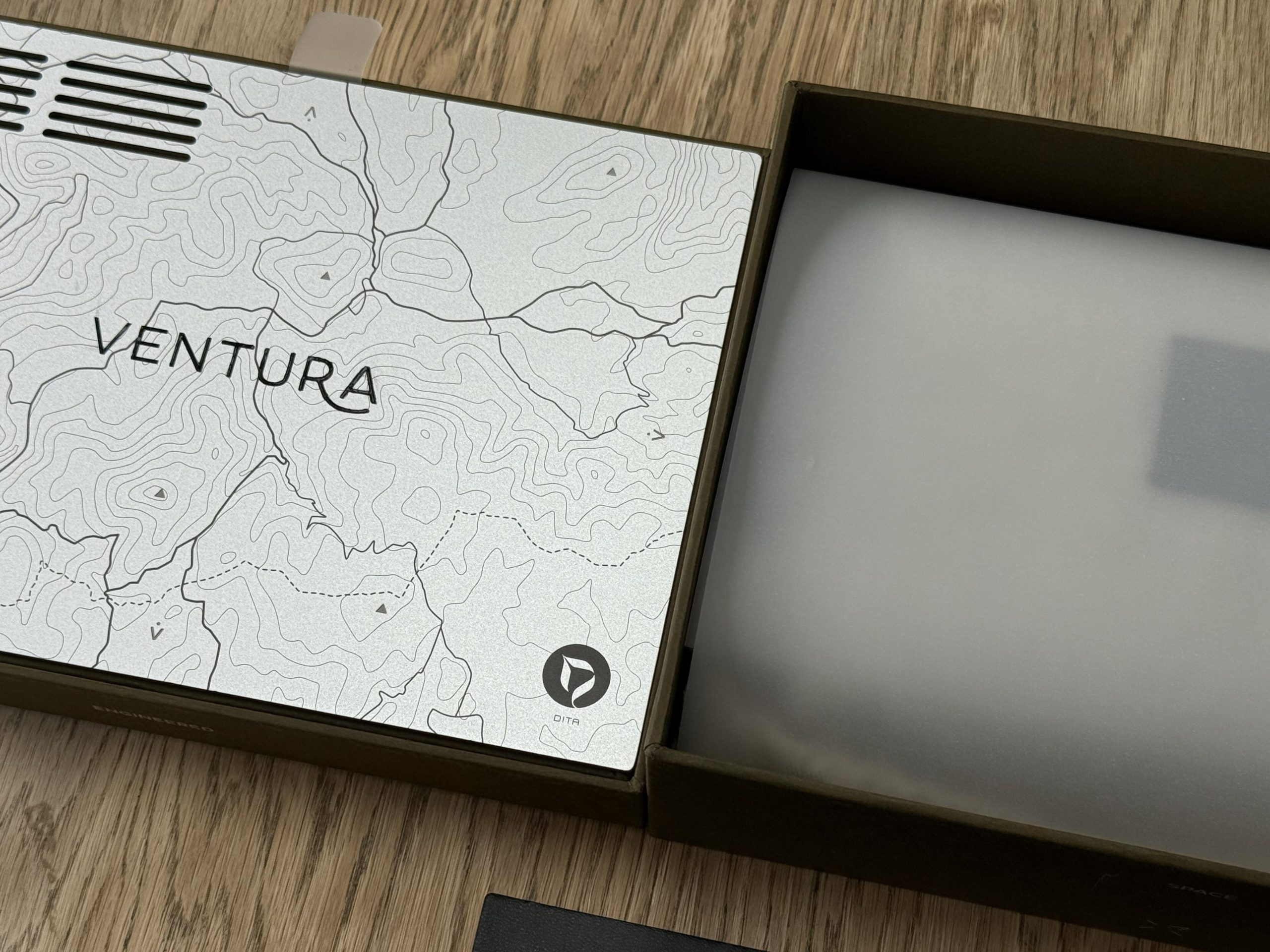
DITA sure do know how to create a flagship unboxing experience, Perpetua was one of the must luxurious, opulent, shiver-inducing unboxing I’ve encountered, followed now by Ventura – I won’t go as far as to say bested by, but certainly on-par.
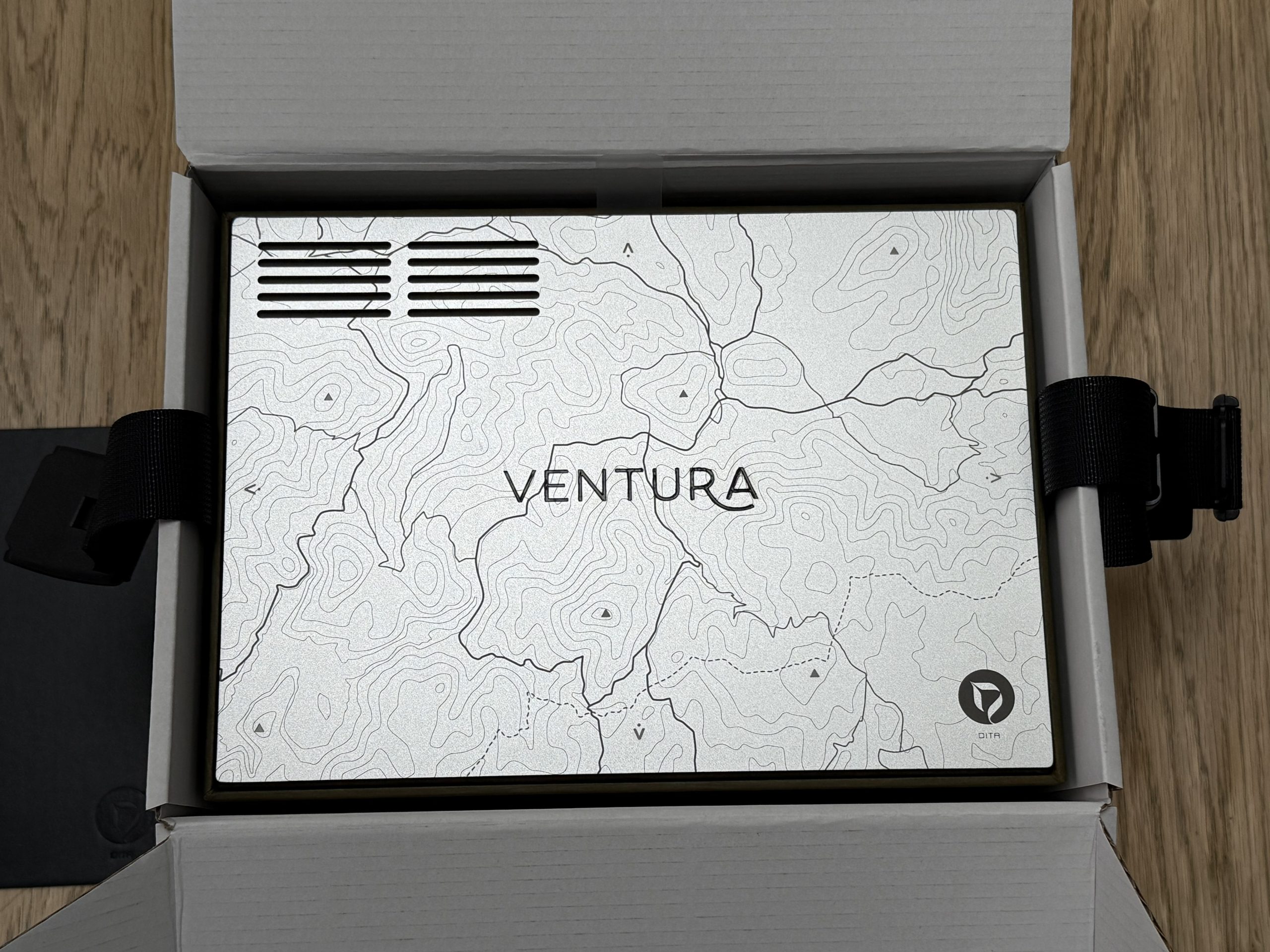
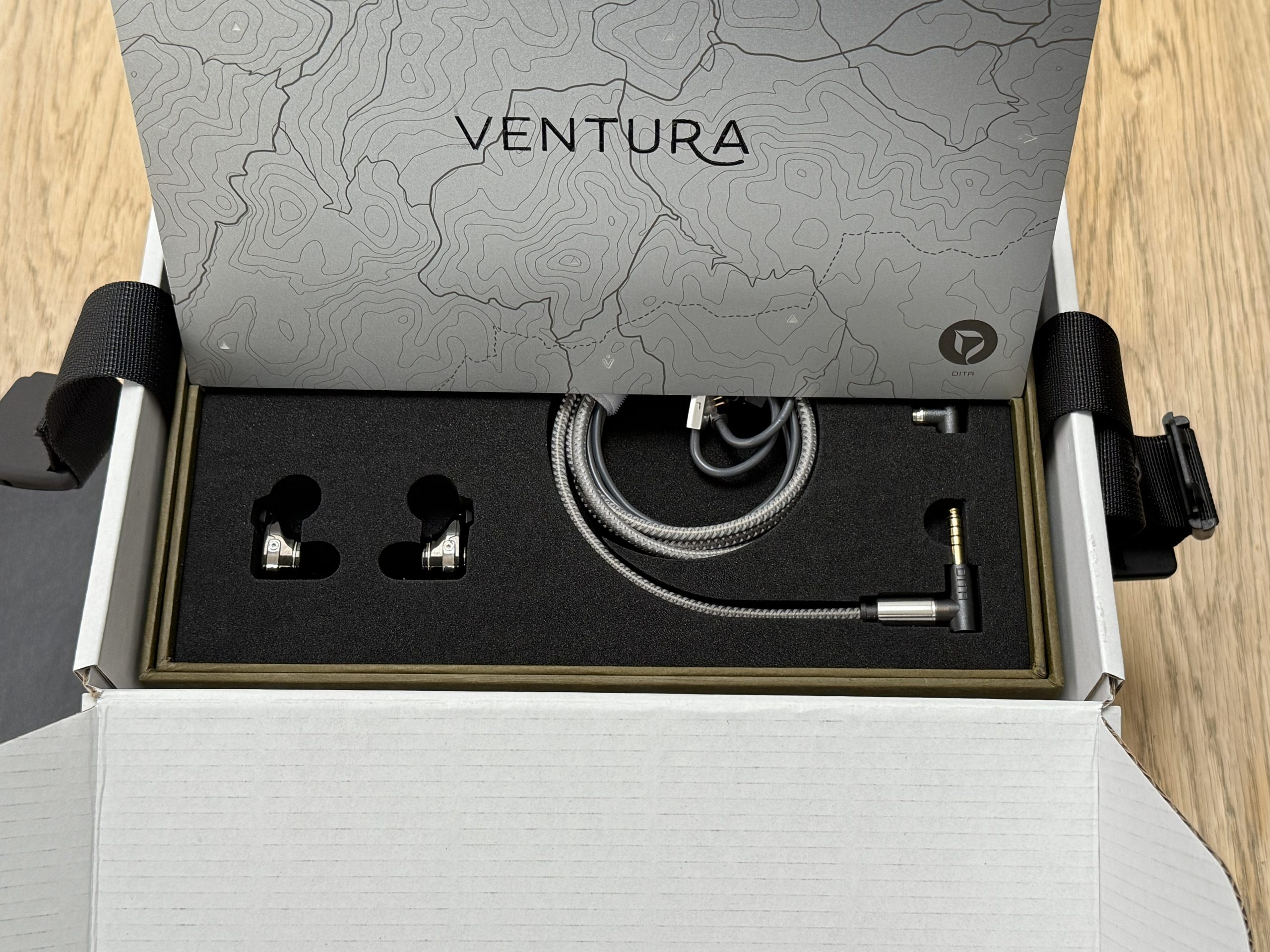
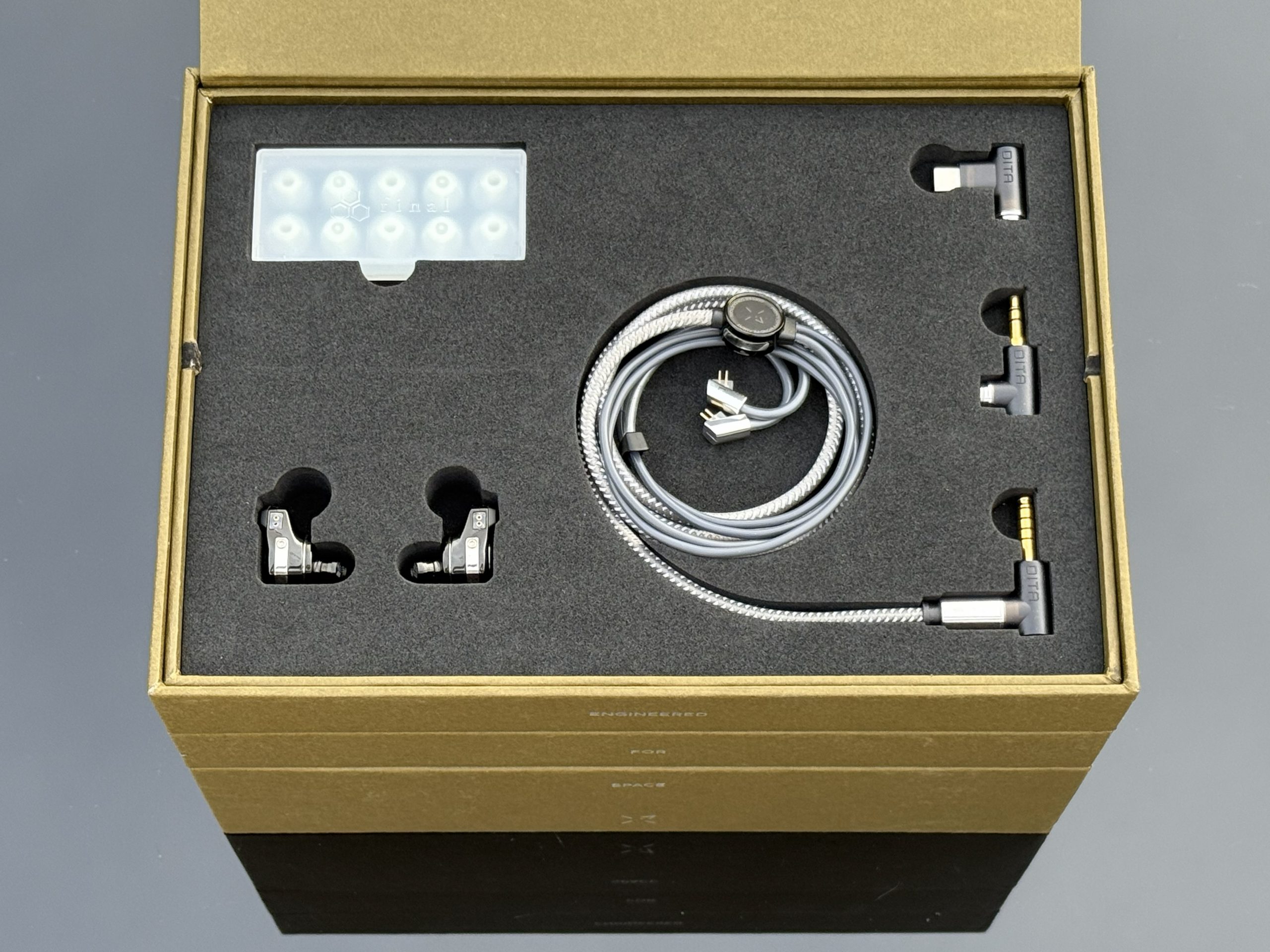
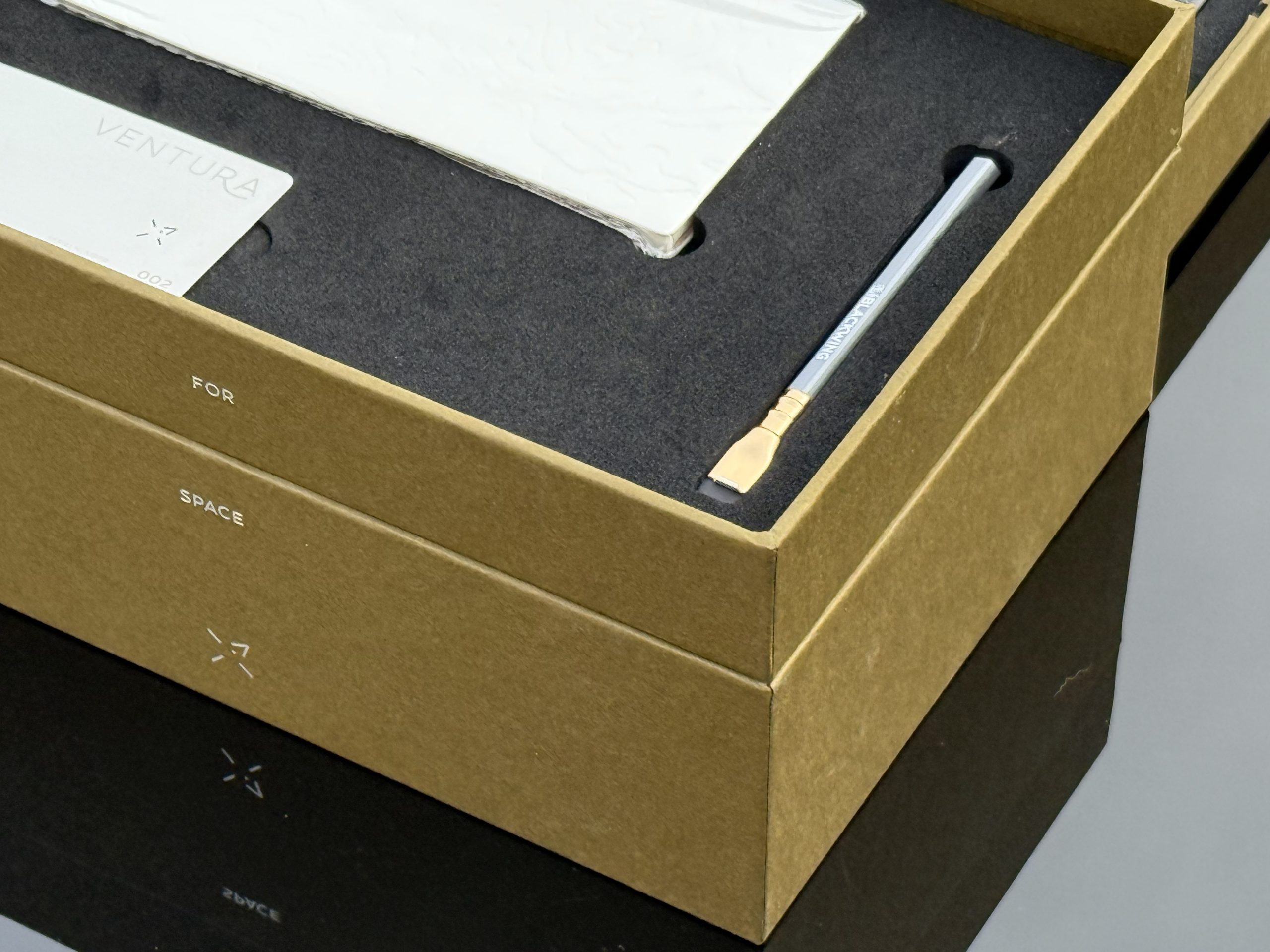
The three layers reveal various elements of the contents, each of which builds upon the excitement as you lift off to uncover what’s next – certainly my excitement anyway, but as I always note, I am a complete sucker for a good unboxing.
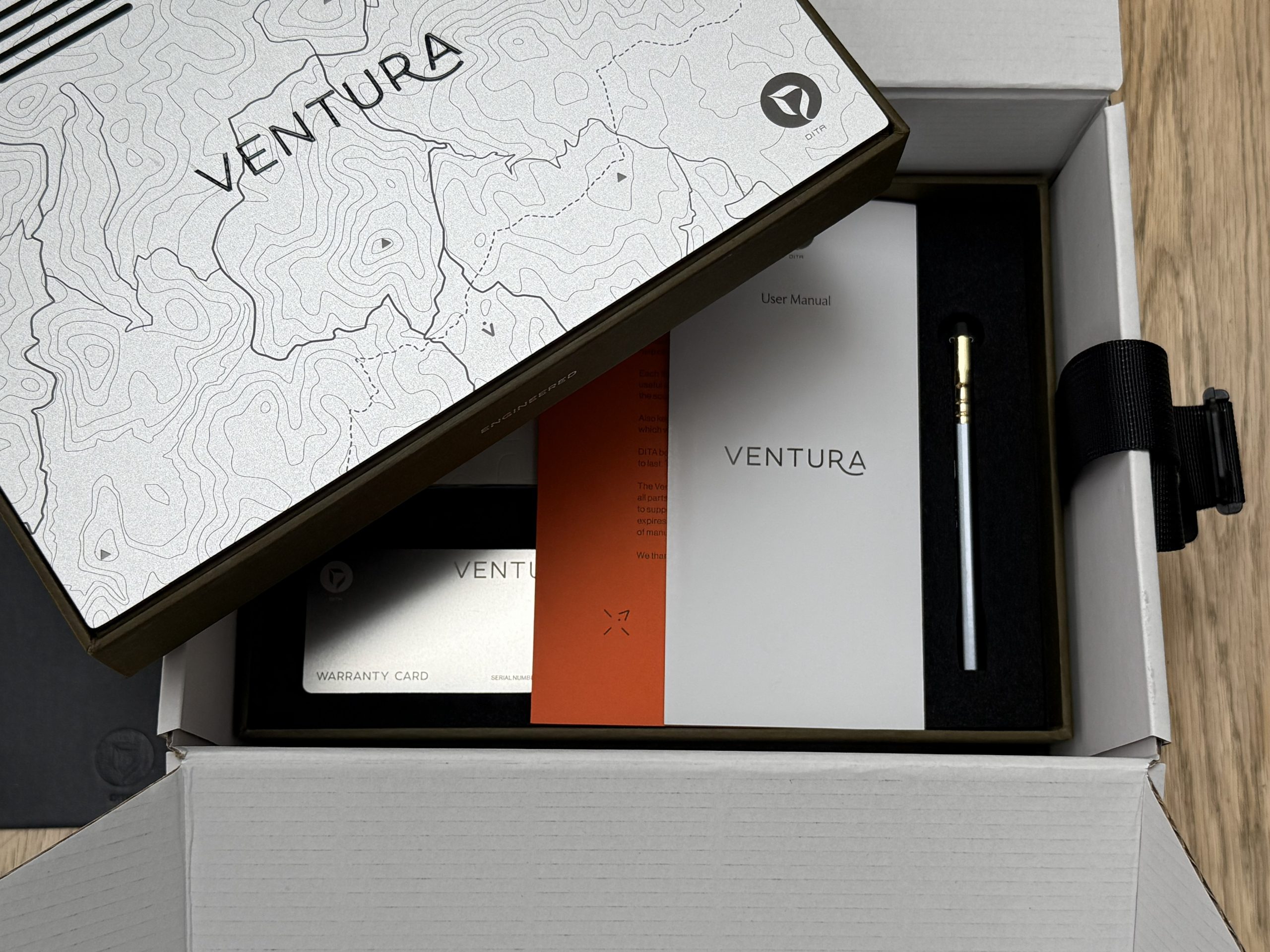
I love this play on words – the sense of ‘space’ in Ventura is incredible, and no doubt took some serious engineering to pull off…
Accessories
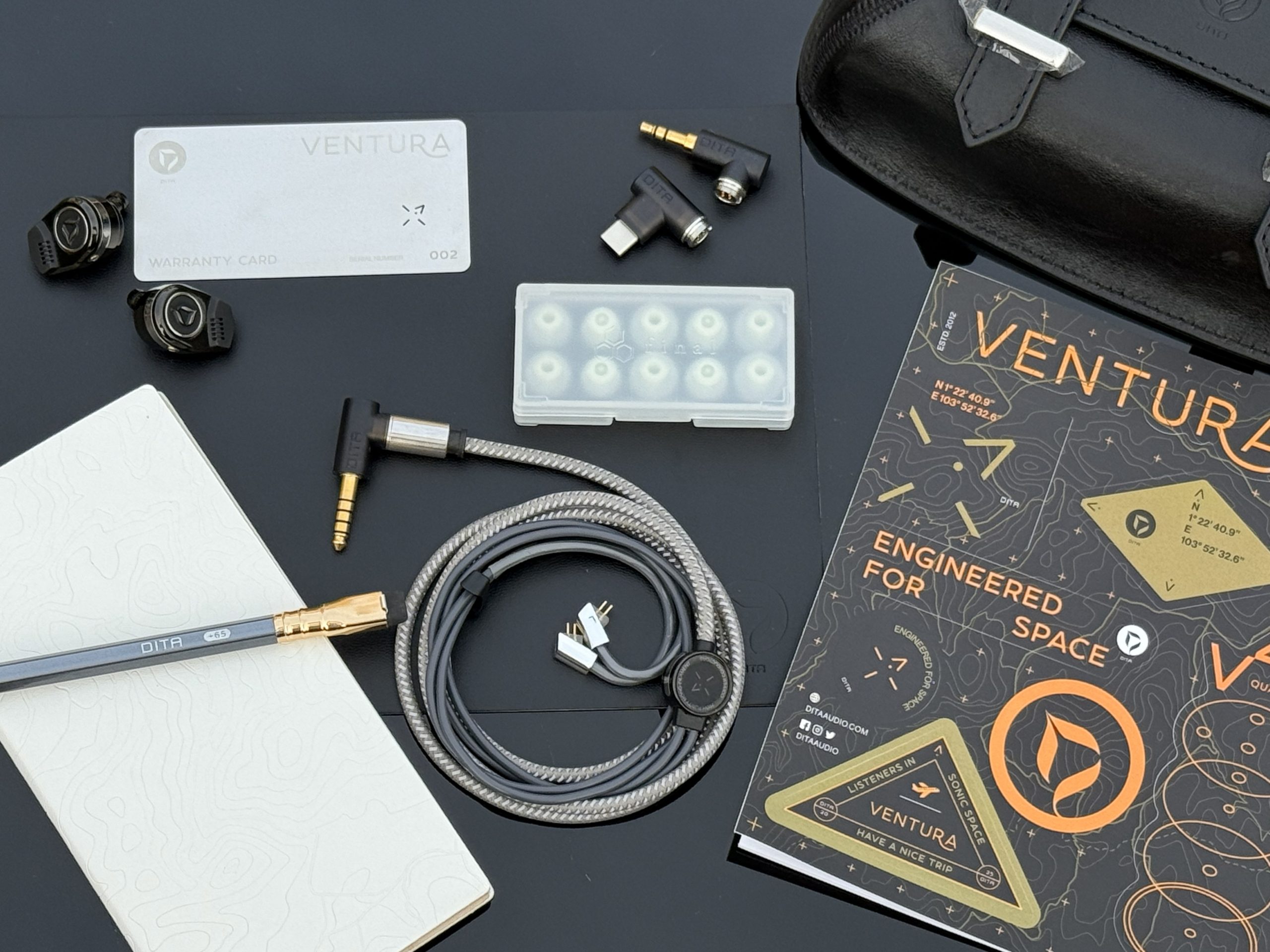
An interesting, quirky, almost eccentric (but definitely artistic) array of accessories greet you as you delve deeper into the contents of this triple-layered high-quality packaging. Have you ever received a notebook and pencil with an IEM before? In addition, bundled inside you get:
- Final tips in S/M/L/XL
- Selection of stickers
- Cable
- 4.4mm / 3.5mm / USB-C modular jacks
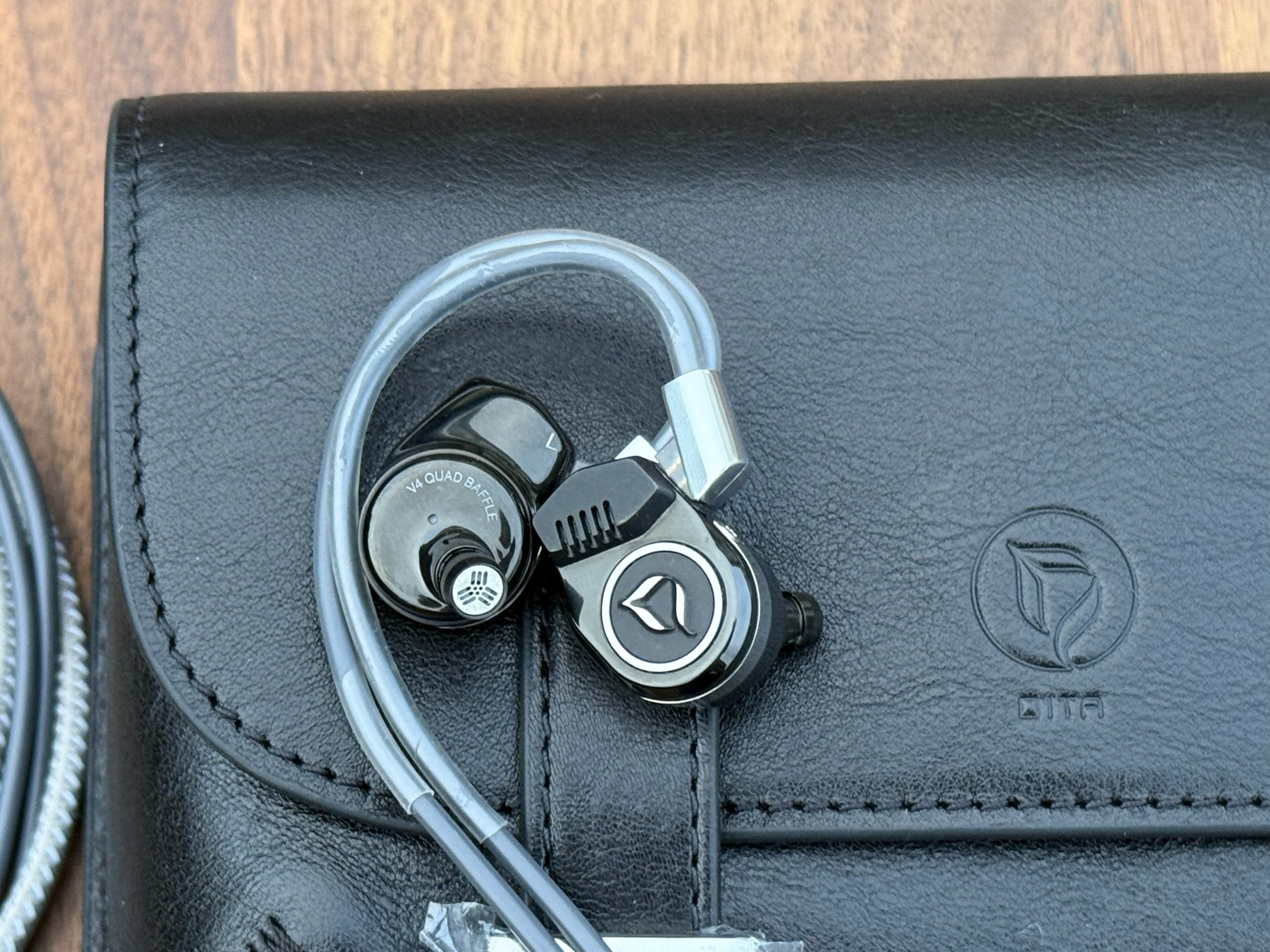
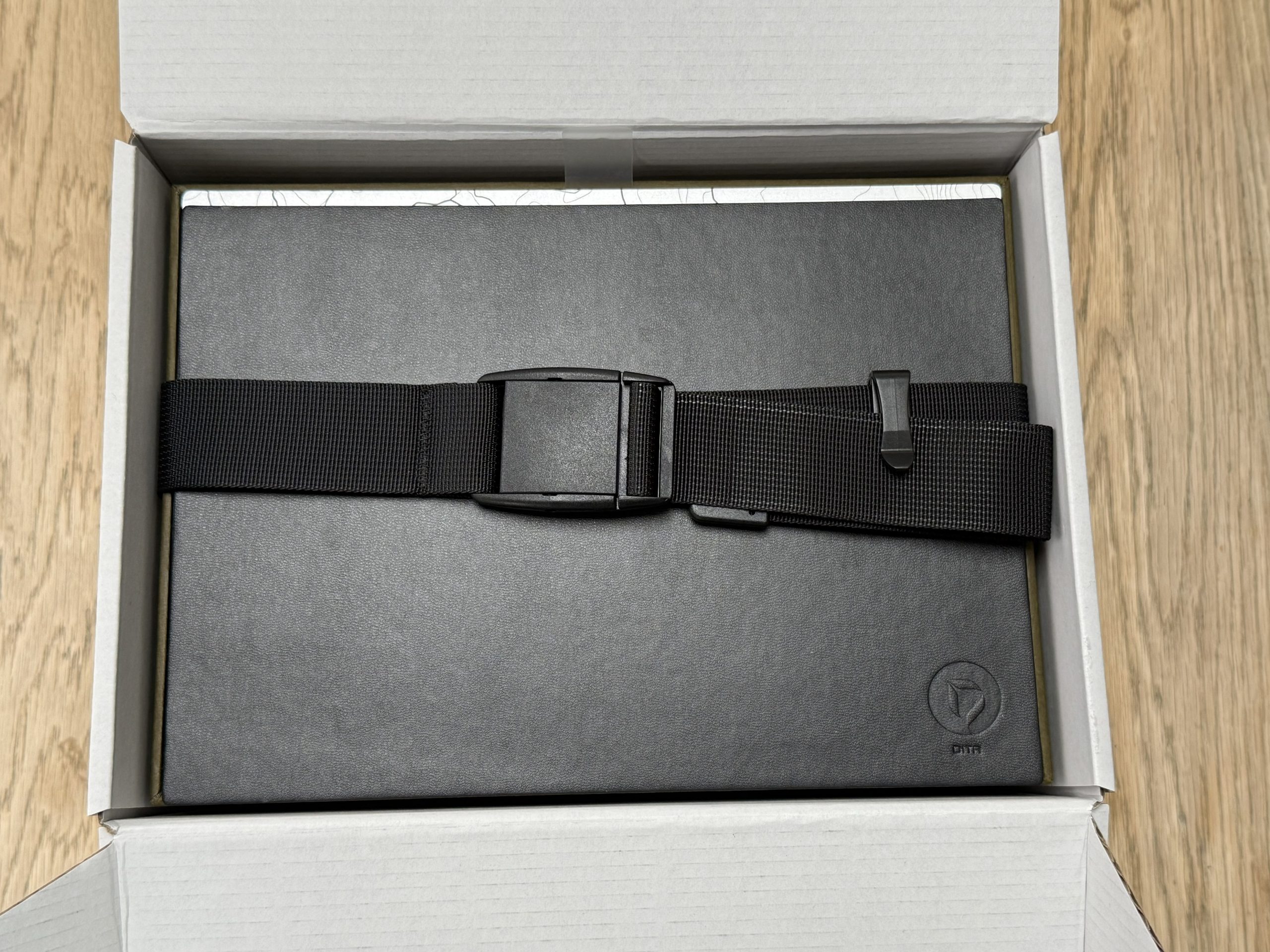
- Case/bag
- Metal warranty card
- Drawstring dust bag
Case
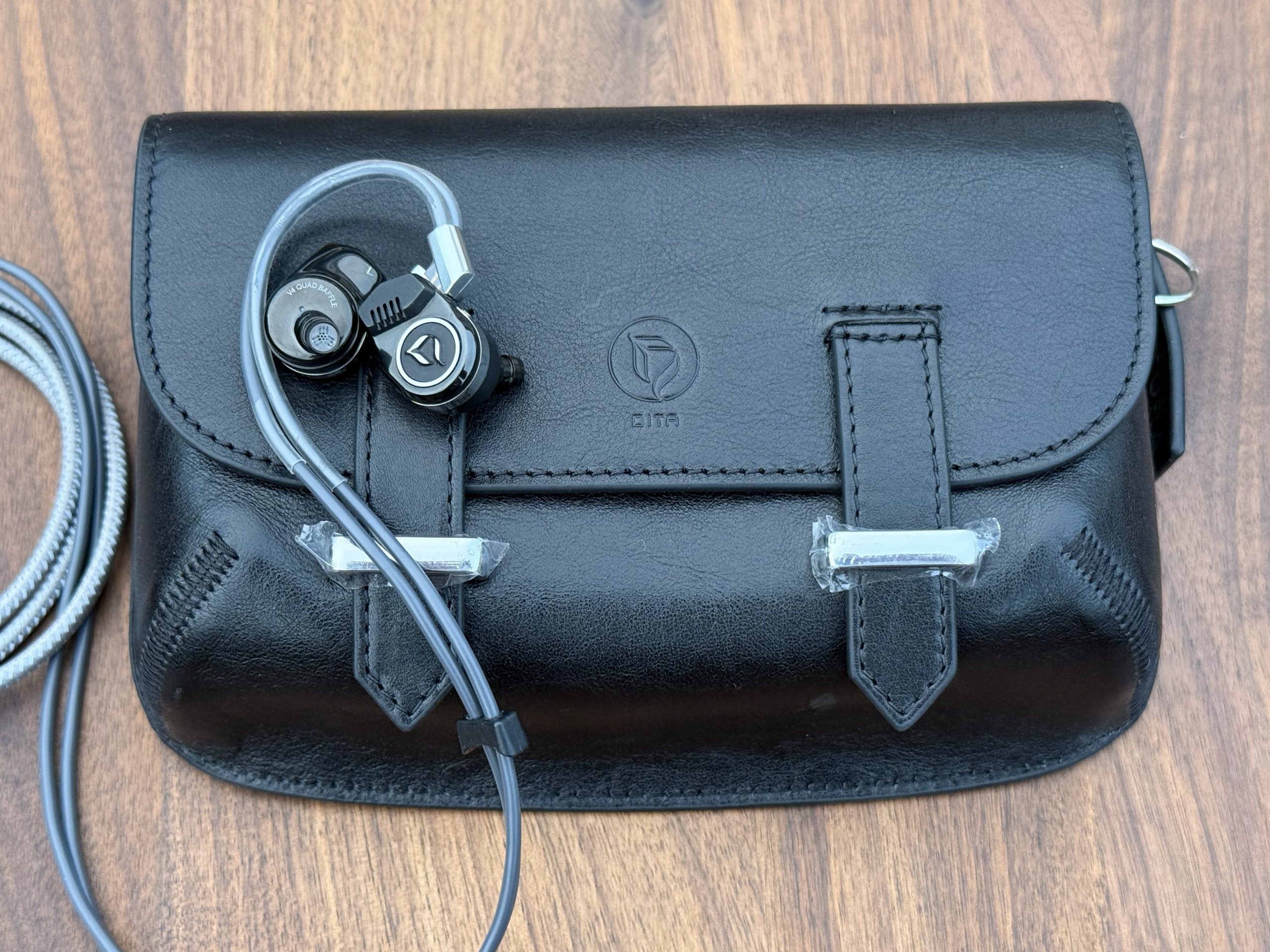
This took me by surprise, both in a positive and not-so-positive way. First the positive – it is a incredibly well made case, and the DITA attention to detail is stunning. On the flipside, the case is too large to simply pop Ventura in after a listening session, or indeed if you choose to bring out and about – I get it that for some that they might use as a shoulder/belt bag, but just not something I could pull off at my age  My concern if Ventura placed in the case is that the ample room might allow for them to move about – I’m probably being over cautious here but I do tend to be a tad OCD about how I store precious audio equipment!
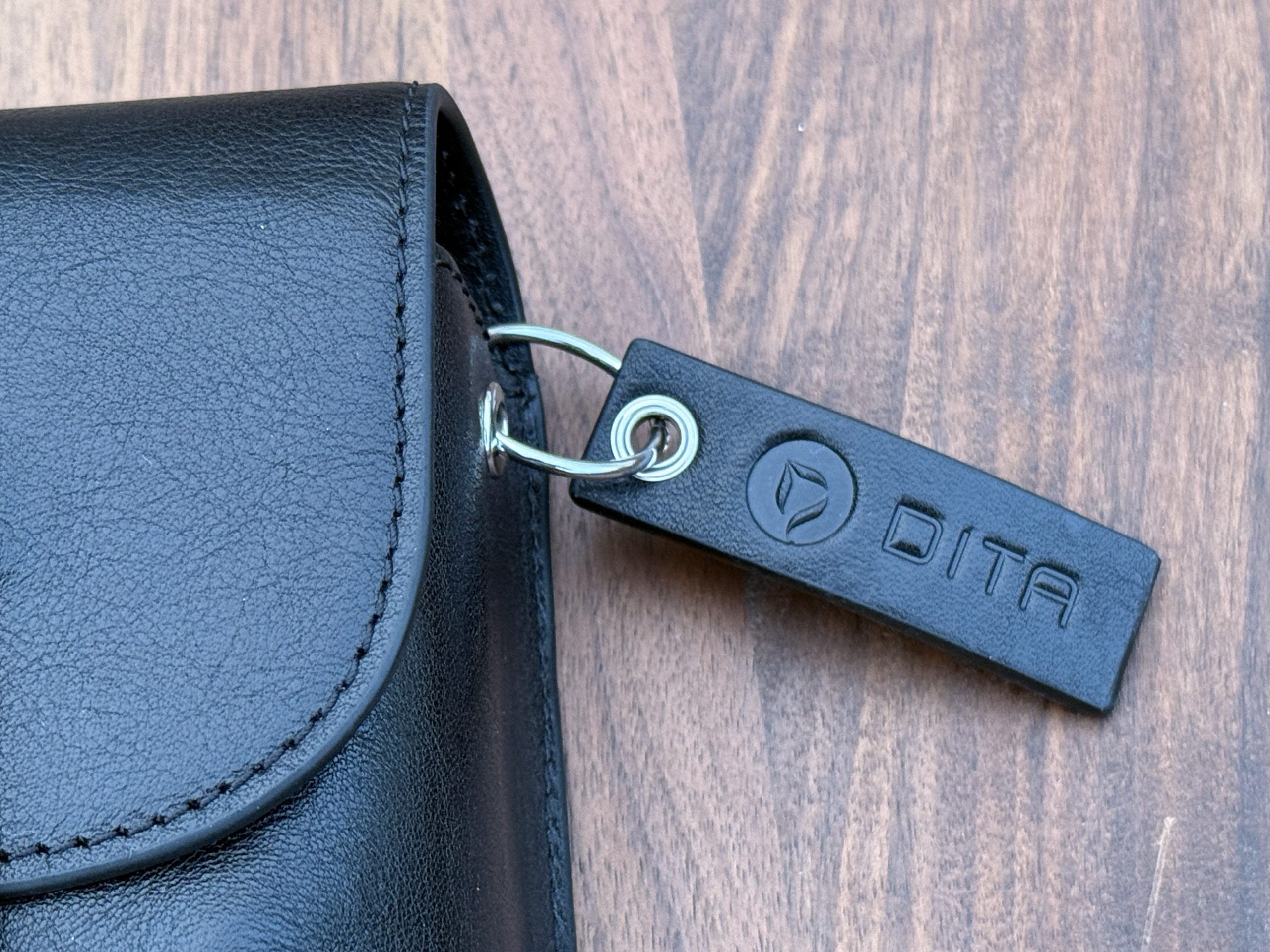
I have opted to use a VanNuys case to keep Ventura nice and safe when not in use, and to pop in my backpack when travelling etc. I would like to have seen a more practical case such as what came with Perpetua, but a nitpick really in the grand scheme of things.
Cable
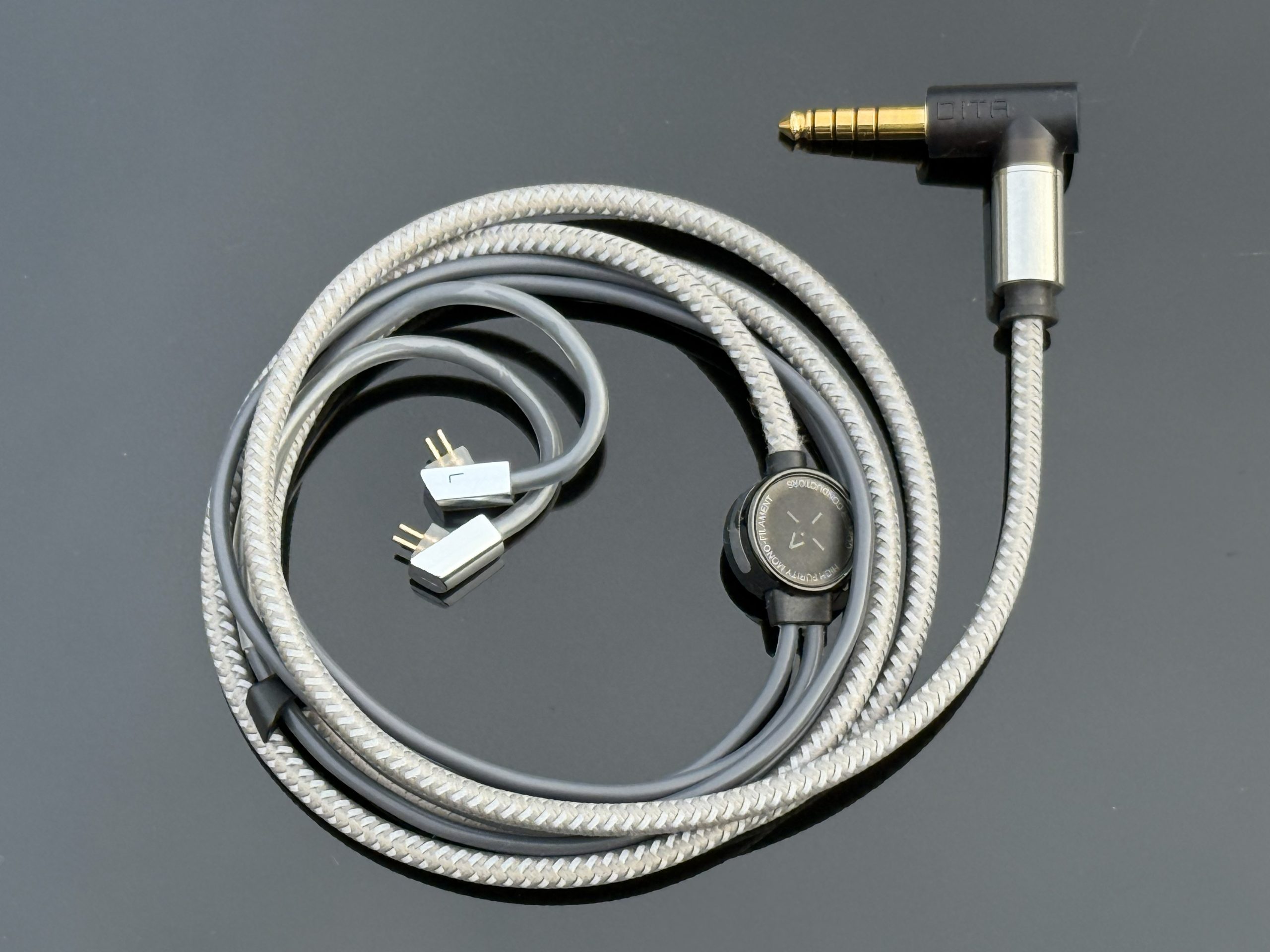
The cable is a bespoke design as is always the case with DITA for each of their IEM releases. I know from contact with DITA ahead of the official launch that they had a few iterations before concluding on a cable they were happy with – another example of how they simply do not rush products to market, even if it means missing their own deadlines!
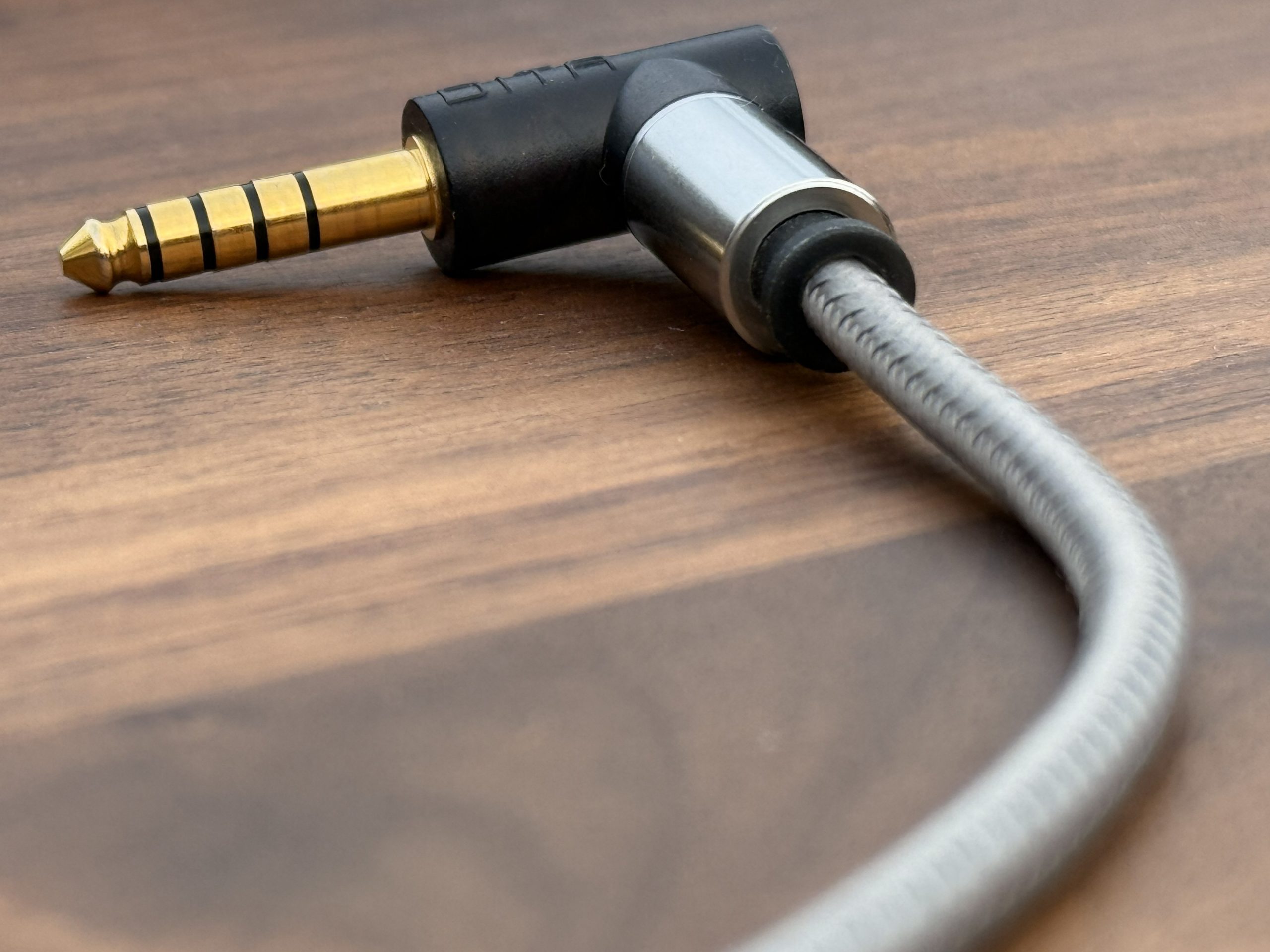
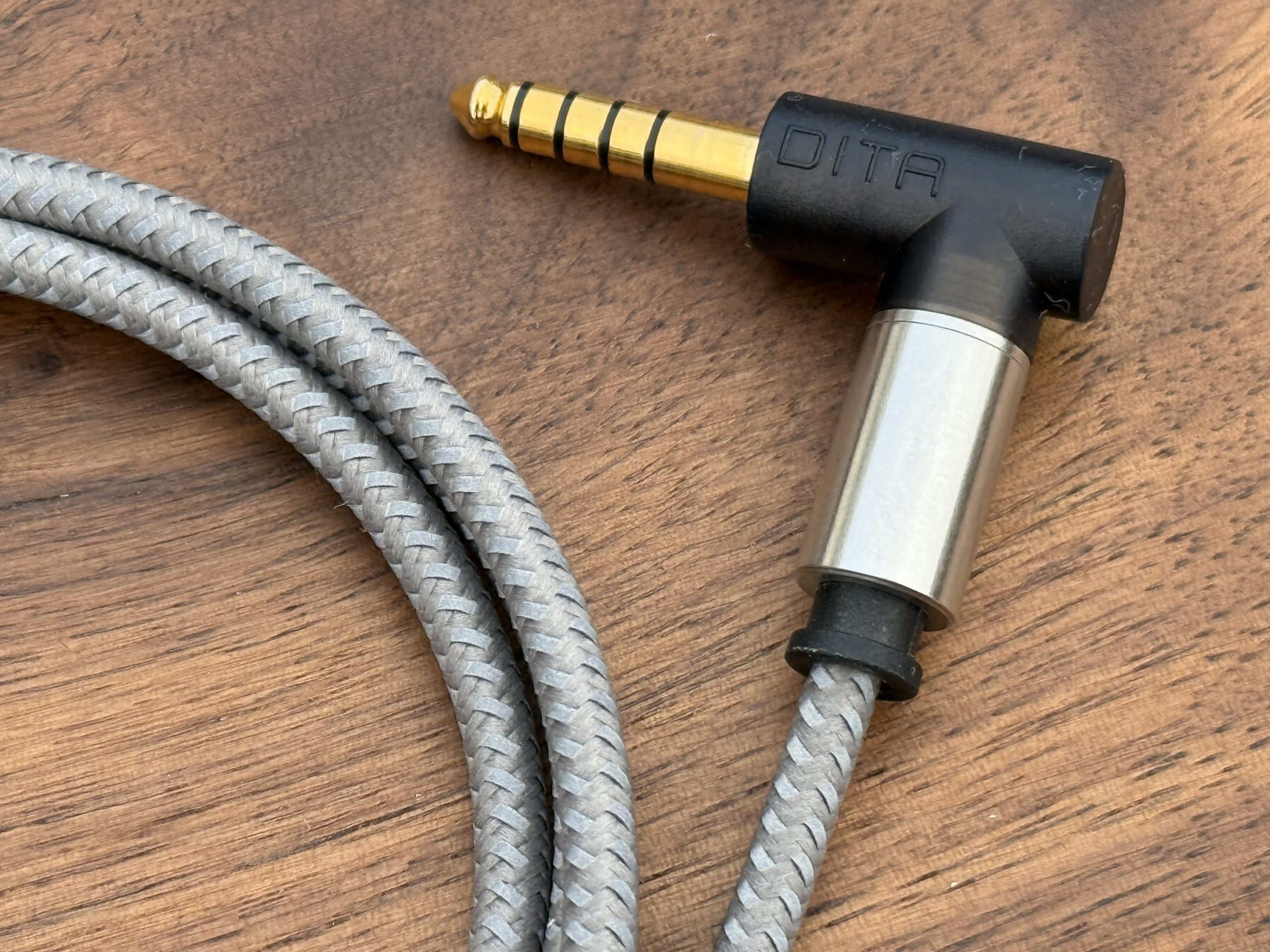
The cable is beautiful, and again the attention to detail is phenomenal. Borrowing the DITA description, as they describe better than I can: “142 high-purity monofilament copper strands of 0.05mm each are wound in a contra-rotating method with the a coil over added at a pitch of 6mm”.
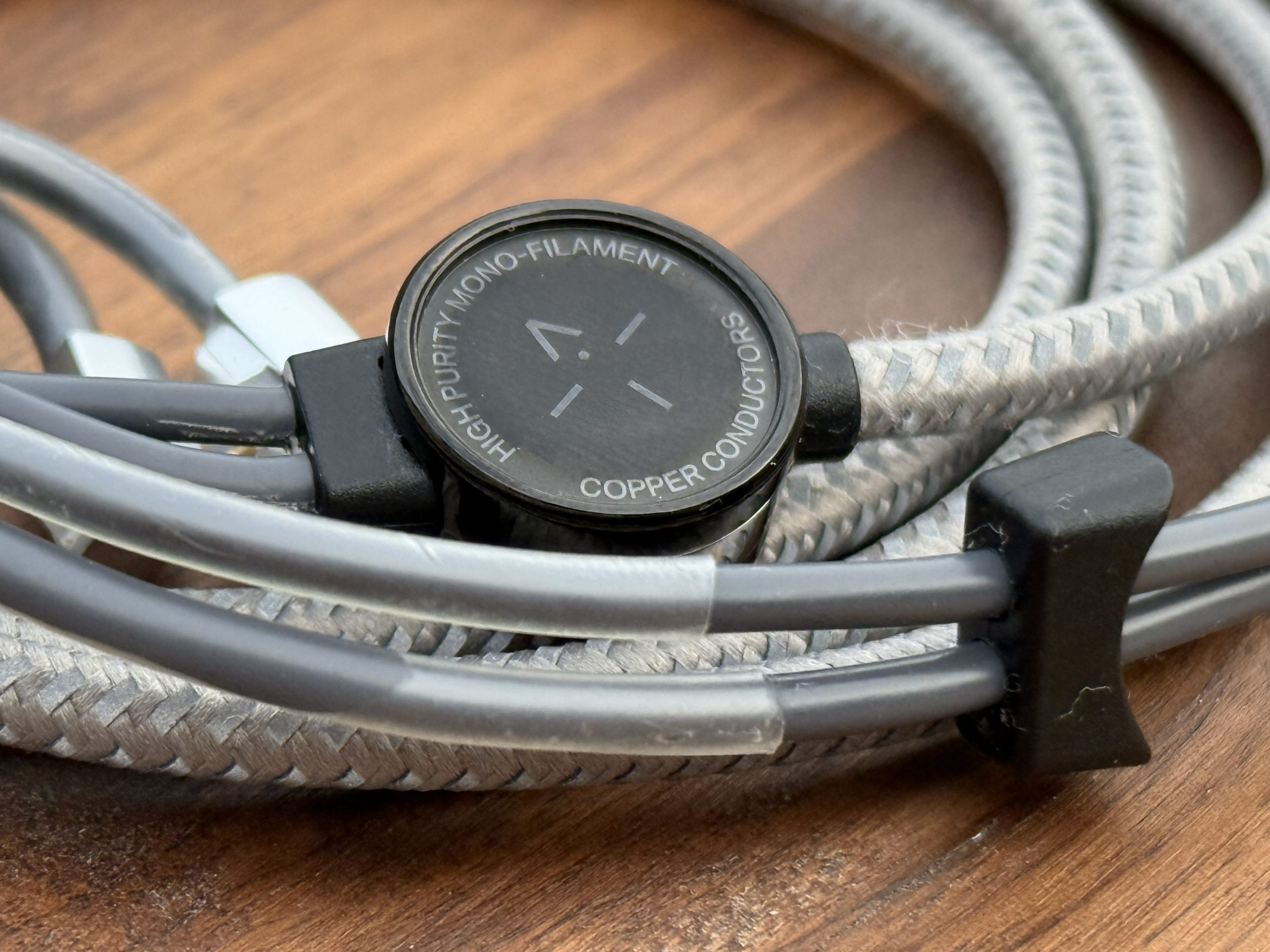
The finish is a somewhat rigid shoelace style design up to the y-split, followed by a slim rubber/plastic cable which then terminates to the 2-pin plugs – these continue an industrial theme and thankfully sit flush on the shells – again, a detail I would expect from DITA! The cable is a touch too heavy and thick for me to use as a set on the go, but to be fair, I wouldn’t choose an IEM of this value for out and about walking or an office commute.
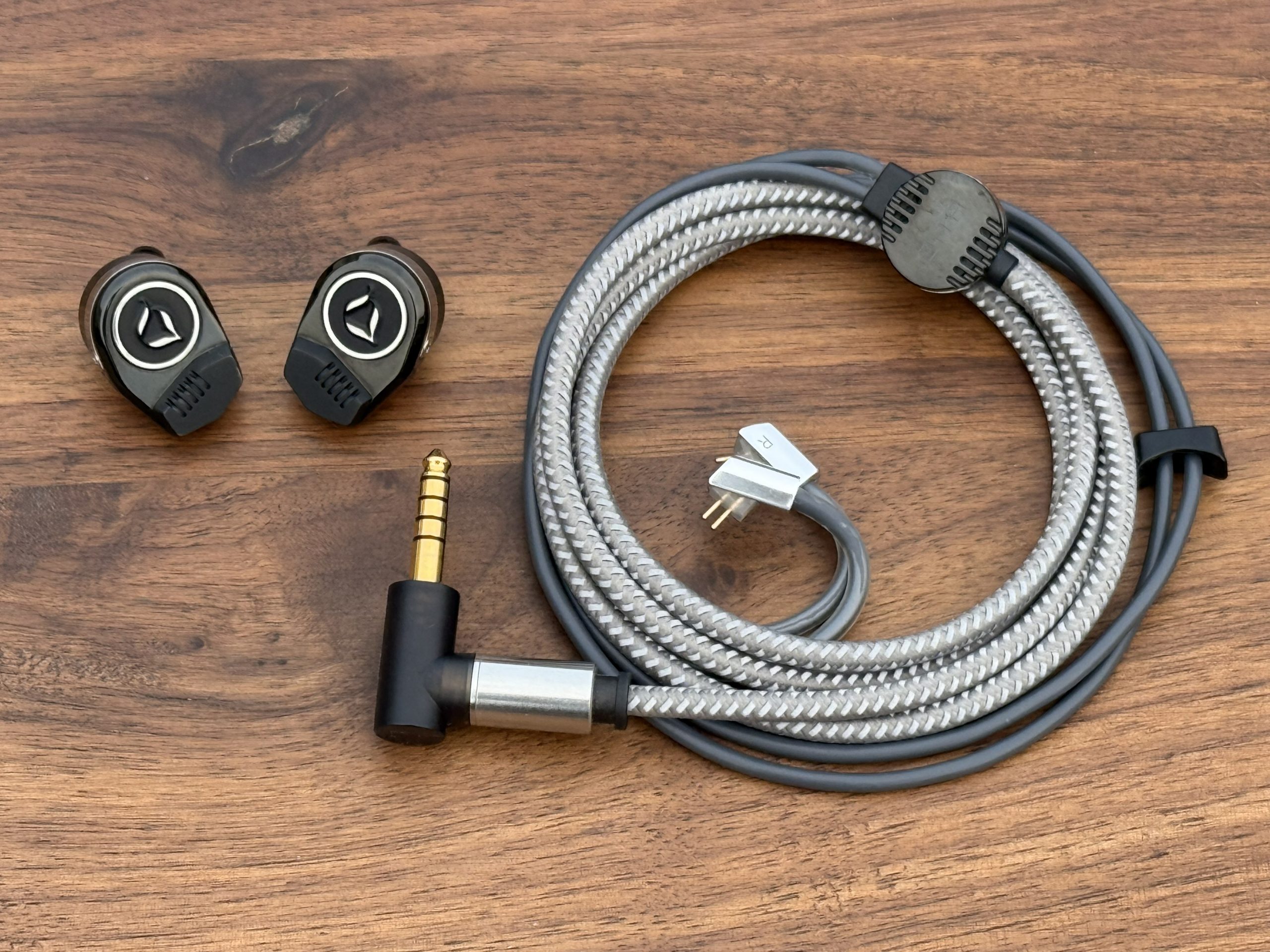
The circular design at the y-split has the same industrial design as the shells which is a nice touch. This includes subtle branding on both sides.
The cable then terminates on the source with modular jacks to include all you need for modern devices – 4.4mm, 3.5mm, and USB-C.
Design and Fit
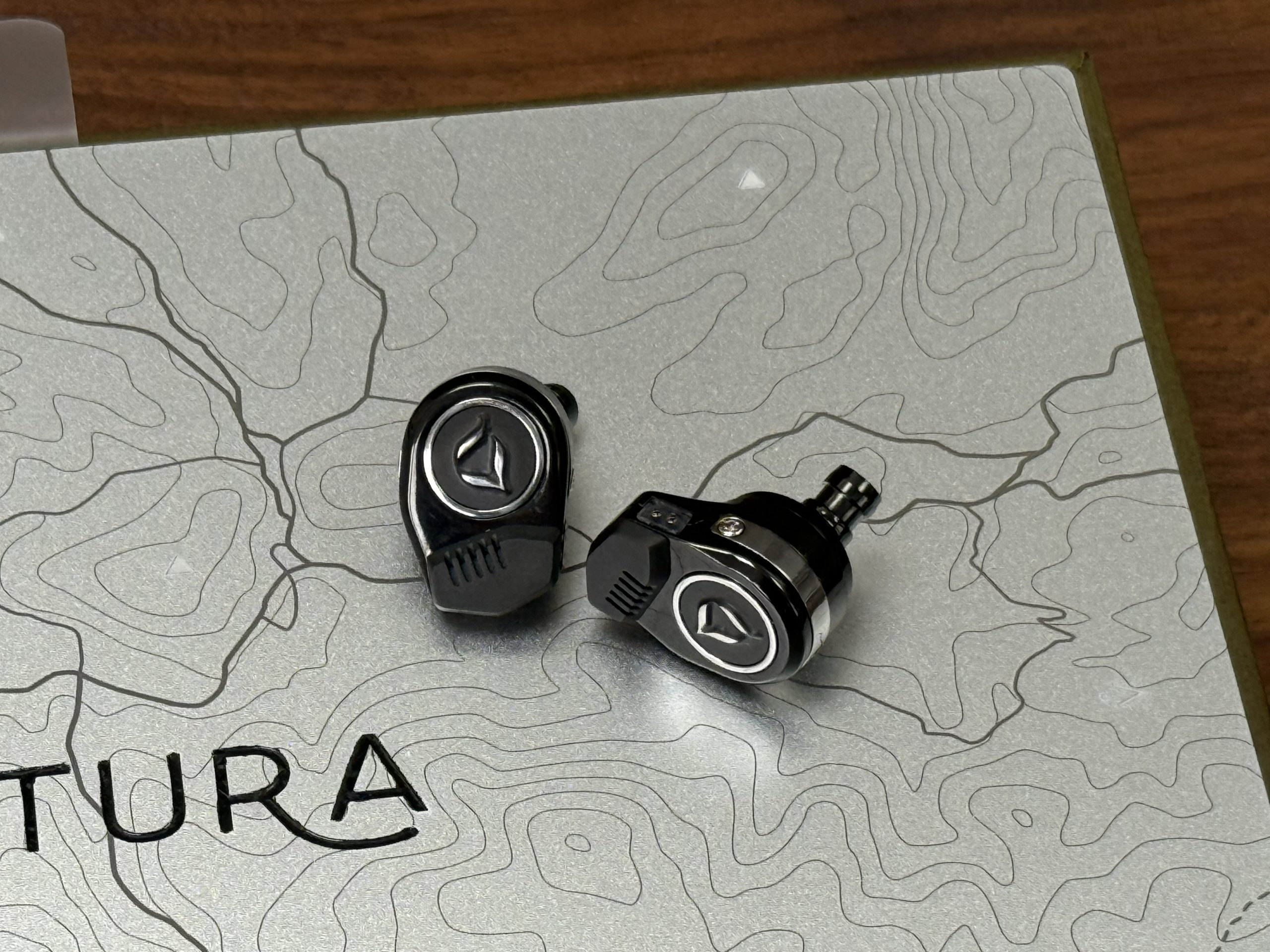
A make or break issue for a few it seems with Perpetua were the small nozzles coupled with the heavy (but beautiful!) shells. This can be especially tricky if you are cursed like me with larger ear canals, something I never knew until sinking deeper into this hobby… I guess how else might you know something like this?! There is good and bad news for Ventura for those of you who suffer with the same large ear canals – the good news is that Ventura are a lot lighter, the bad news however is that they share a similar nozzle to Perpetua. The solution for me is using the largest and most robust tips I can find, and the Penon Liqueur Black in XL have been fantastic in this regard – they allow Ventura to sit perfectly in my ears with minimal need to adjust, and perfect for extended sessions… I say minimal as even with this fit, I do find after maybe 30 mins or so that they might need a slight push.
![PXL_20260117_155739093[1].jpg](https://deepdiveaudioreviews.com/wp-content/uploads/2026/03/img_020-2-scaled.jpg "PXL_20260117_155739093[1].jpg")
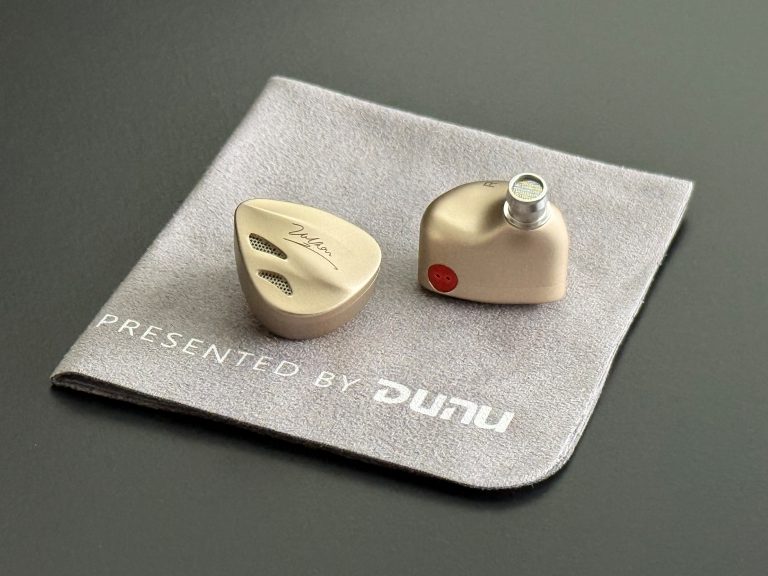
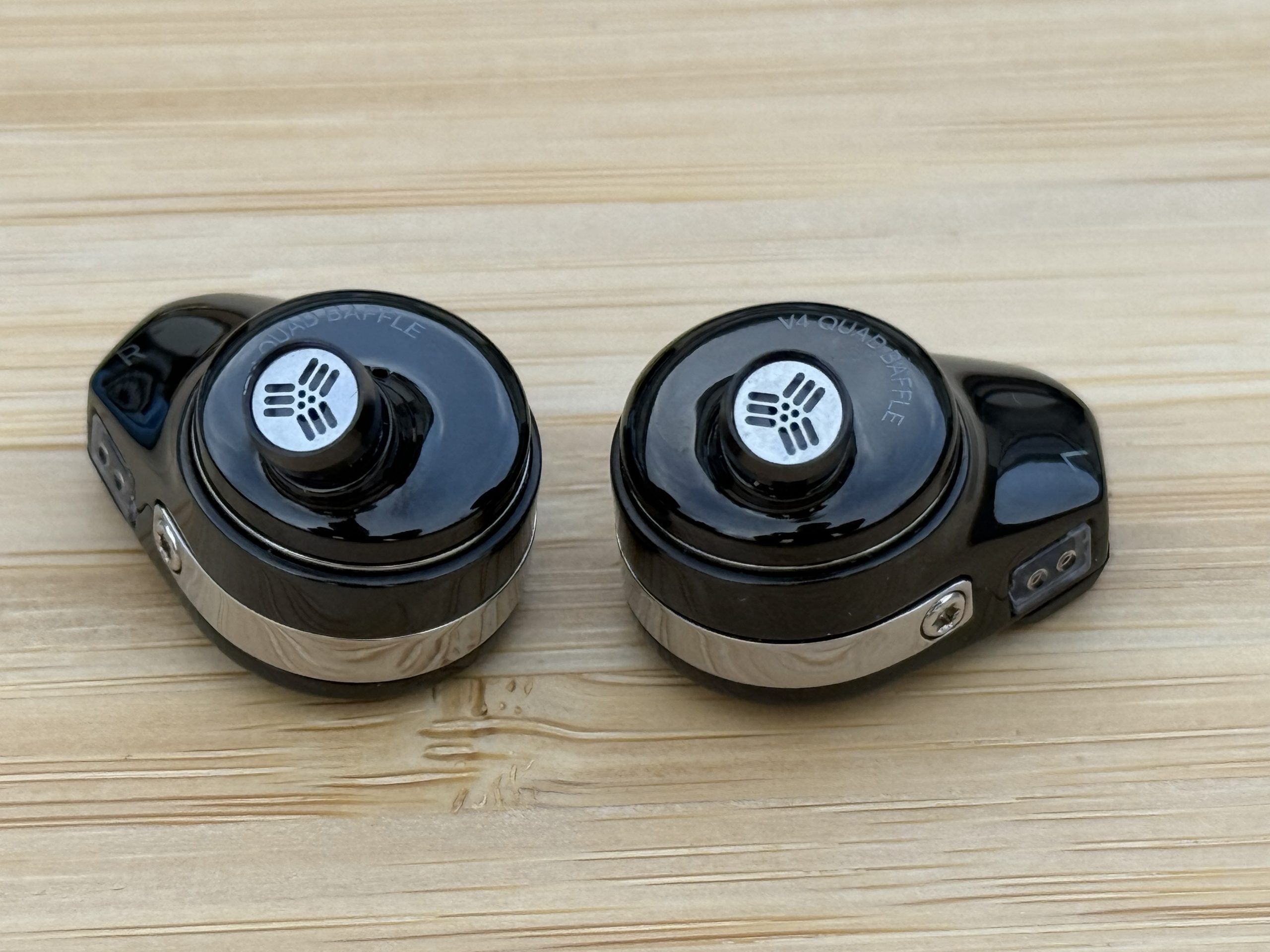
Both the chassis and driver are made from titanium, and are at the usual incredibly high-quality of build one expects from DITA, and certainly at this price point. The attention to detail is evident throughout, be it the unique construction of the mesh, to the screws in the metal edges – the many months of work, and clear labour of love from DITA absolutely showcased in this finished product, and that’s before we even get to how they sound…
![PXL_20260117_160741201[1].jpg](https://deepdiveaudioreviews.com/wp-content/uploads/2026/03/img_021-2.jpg "PXL_20260117_160741201[1].jpg")
The construction is a 10 layered ‘sandwich’ that incorporates a venting system to provide that huge soundstage, a point I’ll discuss further later. The styling deviates from the beautiful polished glass finish of Perpetua, moving to a more industrial modular sort of design – both have their unique individual charms, but I would say Perpetua looked more luxurious with that glass finish, where Ventura I guess more understated, but at the same time, they certainly do not look cheap.
![PXL_20260117_160817550[1].jpg](https://deepdiveaudioreviews.com/wp-content/uploads/2026/03/img_022-2.jpg "PXL_20260117_160817550[1].jpg")
Listening Impressions
A critical point to open with here is that Ventura needs time to breathe. I have never encountered a set as much as Ventura that I absolutely have to allow time for my ears/brain to adjust to the tuning, especially if it has been a few days with other sets in between. A fleeting listen perhaps at CanJam or a meet up might not suffice, and the listener could walk away wondering what the heck the hype is about. Even this afternoon as I started to put fingers-to-keyboard, when I first popped Ventura in my ears and chose an album, the music was just sort of ‘there’ to begin with, not grabbing my attention as such… fast forward perhaps 5 minutes, and I’m being totally sucked into the incredible/jaw-dropping sonic performance of Ventura – left wondering how on earth have DITA achieved this with just one driver?!
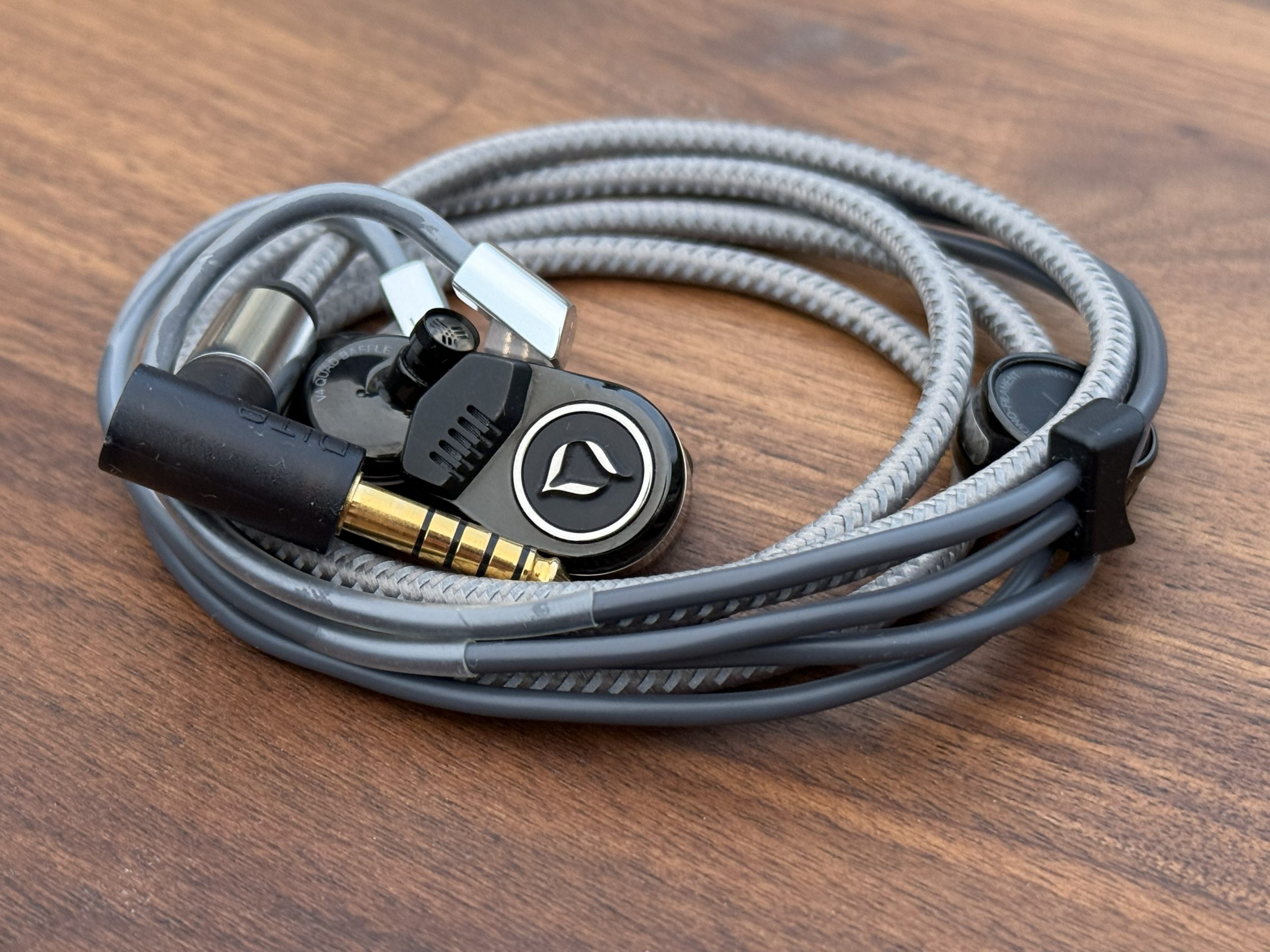
Did I mention Ventura needs time to breathe?!
Ventura is easy to drive, and the majority of my listening has been via the Sony 1ZM2, a trusty DAP in my collection that I really adore. I find Ventura works better with a smoother source such as the Sony versus my iBasso DX340 Ti using the stock AMP15 – this can come off a bit harsh at times with more energetic music. They do look beautiful together though…
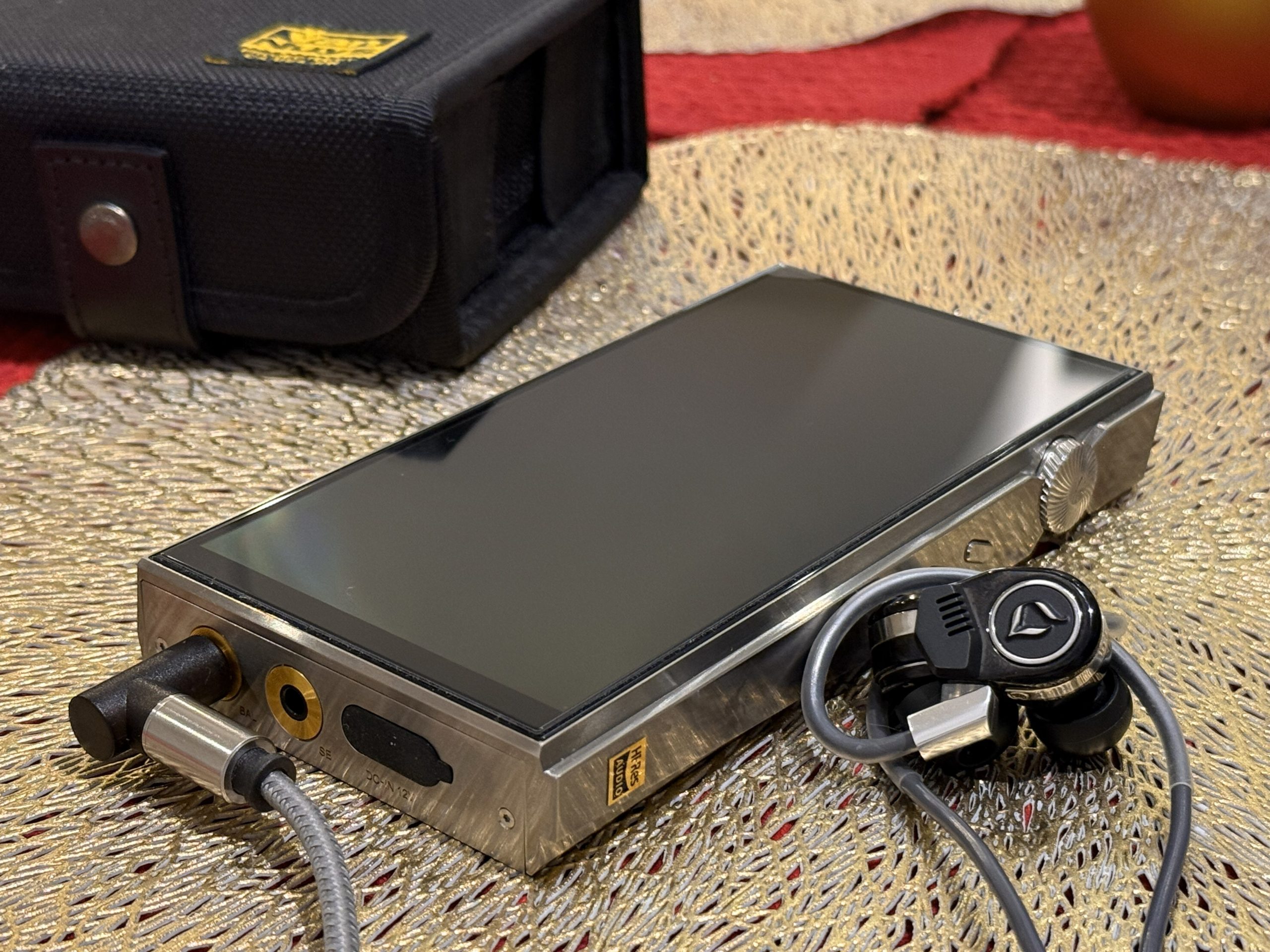
Moving on to how they sound with the above out of the way…
Broadly speaking, I would describe Ventura as somewhat relaxed yet detailed, coherent yet incredibly spacious, with a natural timbre and a sense of endless musical engagement wrapped into a balanced, highly refined and effortless (I’ll come back to this in a bit…) signature. DITA has pulled off a tuning that allows you to immerse yourself into the music while still being able to zoom in on the details… in that regard, it actually reminds me of the legendary Oriolus Traillii – a set I have very fond memories of using to kick back and completely disappear into an album. At times they almost feel as though a BCD is at work, with sounds placed both inside and outside my head, yet they retain that wonderful single DD coherence and, as I often note with dynamic drivers, that special sensation of sitting right in the sweet spot of a 2‑channel speaker system… as noted in my introduction, this is a key element of why single dynamic drivers are such a passion of mine.
Lows…
From a low-frequency perspective, there is a bias of sub-bass over mid-bass which is absolutely my preference. That deep sub-bass gives a distinct impression of depth, with a real visceral execution when called for… fantastic for my beloved ambient and modern classical genres in particular, but indeed not limited to. The mid bass does kick with solid authority and wonderful texture as expected from a finely-tuned driver, and has plenty of pace to allow for speedy kick drums for example. It’s worth noting that Ventura doesn’t aim for a huge, hard‑hitting mid‑bass slam; instead it opts for a slightly softer, more refined and effortless approach that supports the mix without ever dominating or overpowering.
Mids…
The midrange is nicely balanced – neither too thin or brittle nor overly lush or gooey – and is delivered with a smooth, distinct clarity that leans ever so slightly warm. That touch of warmth ensures the clarity and detail retrieval never leans clinical. This gives vocals, both male and female, an authentically grounded presentation, and instruments in this region benefit from the same natural, even elegant, realism. There’s also a generous sense of space, particularly in terms of stereo width and the available stage for multiple instruments and vocal layers. The snappy driver once again shows zero difficulty handling pace and complexity, keeping everything cleanly separated yet cohesive. DITA have worked some incredible magic with this driver and overall design – the combination of stage size, instrument positioning, layering, micro and macro detail, speed, and precision is incredible, and to my ears perhaps most evident in the midrange.
Highs…
The treble has a sense of precision to it – crisp, detailed, and unmistakably dynamic‑driver in execution. I say this because so many hybrids and tribrids now use ESTs or planars for the upper registers, and often for good reason, as they excel in here. But as far as dynamic‑driver treble goes, DITA has done a fantastic job of giving Ventura just enough room to sparkle, with excellent extension. That precision allows details to emerge naturally within the mix, without anything ever sounding harsh or jarring. I wouldn’t call treble-shy up top either, and note as always that this is a region I do not have an issue with… in part due to being almost half a century on this planet!
Technical… the voodoo!
A word about effortlessness – I find this to be one of the defining signature elements of Ventura. Nothing feels pushed, forced, or exaggerated; details emerge naturally without anything being shoved into the spotlight. The stage feels open and wide, yet never at the expense of cohesion or in a way that suggests artificial stretching. The entire presentation comes across as organic and graceful. It’s for this very reason that I emphasise giving Ventura time… it doesn’t deliver an instant “wow” factor, but patience is rewarded as you settle into what I consider a unique and ultimately timeless tuning.
Going back to my often‑used 2‑channel speaker analogy… and not to sound like a broken record (pardon the pun!) – this comes from many years spent around ‘proper’ hi‑fi systems. I have incredibly fond memories of working in that industry in the 90s, selling and installing home audio as a teenager. Anyway, I digress… but the analogy still feels apt. In the context of a 2‑channel setup, Ventura evokes either a pair of massive 3‑way bookshelf speakers or even giant floorstanders. It presents a large, spacious stage with that same natural, effortless (word of the month!) delivery.
Track Analysis
Eiko Ishibashi – The Model
Within the first few seconds of this song, I immediately return to my word of the month: effortlessness! Even though it’s already a smooth, relaxing piece, Ventura elevates the sense of cohesion across the diverse array of instruments and Eiko’s voice. The delivery feels immersive and captivating from the outset. Vocals carry just the right note weight and sit central and slightly forward – a sweet spot where they neither leap out of the mix nor feel flat or recessed. A beautiful listening experience, and fantastic album overall.
K‑Lone – sslip
A recent and excellent purchase, the album has been on heavy rotation for me, especially while out walking. It’s a perfect showcase for the sub to mid‑bass bias I’ve been describing. There’s a gorgeous, cavernous rolling sub‑bass that complements the kick drum beautifully – the sub digs deep with visceral, captivating weight, while the kick lands with a firm pound yet retains a slight softness that keeps it from ever becoming dominant. The tightly programmed hi‑hat has a crisp, airy shimmer with excellent clarity, further emphasising the sense of space within the wide stage. Synths in the midrange are emotive yet clear, and once again the word effortless springs to mind (I’ll try only use this word a couple more times!)… there’s a smooth, natural delivery to the tuning that gives an organic sensation without ever drifting into overly lush or full‑bodied territory. This is also a very well-produced album and Ventura really excels in that realm.
Younger Brother – Train (Remastered)
This is a first for me in any of my reviews – listening to a track I’d never heard before. As part of my usual Bandcamp Friday night browsing, this one caught my attention; I own all the other Younger Brother albums but somehow missed this along the way. It’s a beautifully cinematic piece that evolves with a sense of drama and even nostalgia. The mids once again sound captivating yet clear, with that wonderful sense of space Ventura excels at. As the track builds, the peak becomes almost chaotic with layers of complexity, all of which Ventura handles with ease. It remains energetic – Ventura doesn’t smooth over or dilute what the track is trying to convey, which is very much part of its prowess. As a side note, this is the opening track of the album… and I’m genuinely looking forward to hearing the rest later tonight!
Bill Callahan – Javelin Unlanding
Moving to some male vocals, this track is an excellent test of how Ventura handles weight and presence in this category. Bill’s voice, like Eiko’s earlier, sits central and slightly forward. His deeper register naturally carries more note weight, giving it a bit more dominance in the mix, but nothing ever feels unnatural – it sounds authentic and true to the recording, certainly to my ears. Instrument placement is particularly impressive – I have such a soft spot for tuning that gives everything room to breathe, allowing you to pinpoint individual elements if you choose to. The electric guitar, for example, sits just off to the right when it enters, while the percussion spreads across the stage as a solid foundation beneath Bill’s vocals. Among other instruments, a flute drifts in and out, and again it can either blend into the overall experience or become something you zoom in on.
Max Richter – Winter 3
An apt track for today, as it’s a cold, gloomy, and wet Saturday here in Dublin. The penalty for being an island in the Atlantic… especially on the east coast is that it rarely gets cold enough for snow. We’re often only a couple of degrees away, which means very cold rain instead… not ideal for the big kid in me who still adores snow. Anyway…
Effortless?! Absolutely. It’s one of the key reasons Ventura works so well across any genre. Because nothing is overly emphasised, you can comfortably reach for any album on any shelf. That said, there are moments where a “specialist” can be (a touch) more pleasing – with caveats. The set that comes to mind for strings is the legendary Victor/JVC FW10000. It doesn’t match Ventura’s technical prowess, nor its genre versatility, nor its sub‑bass authority, but it has a to‑die‑for ability to render strings in a way that’s hard to beat, and why it remains in my collection – not to mention it’s beautiful and incredibly unique styling – I specifically sought out the Victor model so as to have the HMV logo on the shell as I worked in a store in Dublin in the 90s.
With that aside, Ventura does a wonderful job with this track. Strings have a distinct sense of precision and speed, and while they aren’t lush — as I’ve noted — they never sound thin or lifeless. They may not reach the ethereal heights of the FW10000, but they’re not far off, and the overall presentation remains captivating, controlled, and beautifully balanced.
Comparison
![PXL_20260117_153858558[1].jpg](https://deepdiveaudioreviews.com/wp-content/uploads/2026/03/img_027-1.jpg "PXL_20260117_153858558[1].jpg")
The single DD market is somewhat niche versus the many multi-driver sets that hit the market on what feels like a weekly basis. That said, there is also a loyal following which leads to a handful of top-tier sets arriving on a much more infrequent basis – easy enough to count on one hand the most premium/expensive DDs available at any given time… right now, alongside Ventura, I would call out the HS3000 from Acoustune (which landed with me just this week), the Final A10000 (which I’ve yet to hear, and while Final have had manufacturing delays, they have promised to send me a demo set soon – I’ll update this review once it lands), and finally the TXN Diamond which is receiving high praise at the moment – again, I’ve a demo on the way – it got stuck in customs but I expect it in a few days. For now, I’ll compare the HS3000 and what was once my top dog/GOAT DD, the still wonderful Softears Turii Ti. By the way, I’m not ignoring the fact that there are many incredibly competent DDs at far lower prices, several of which I own and adore – but I’m sticking with the higher-end for the purpose of this review, especially with the $5k price tag on Ventura. Oh and I still have the Acoustune HS2000MKIII, so it would be rude of me not to include a few lines on this set too…
Oh and actually, while I think of it – something that the higher-end single DDs often have in common is an awkward/tricky fit… why?! Anyway…
Acoustune HS3000 (ACT08)
![PXL_20260117_111807460[1].jpg](https://deepdiveaudioreviews.com/wp-content/uploads/2026/03/img_028-1-scaled.jpg "PXL_20260117_111807460[1].jpg")
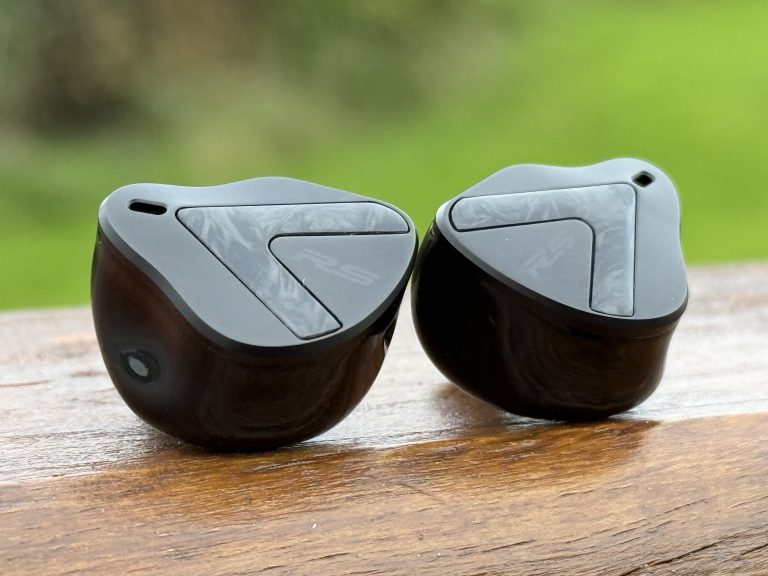
A caveat to open with here is that I’ve only had the HS3000 for a few days and I’m still becoming accustomed to the tuning. It’s a wonderful set, and the new ACT08 driver feels like a very nice evolution from the ACT47 that came stock with the previous flagship, the HS2000MKIII.
The HS3000 immediately sounds more full‑bodied, with a distinctive density and warmth through the mids. The presentation is more forward overall, with increased low‑end presence and mids stepping a touch closer with a sensation of vocals being in the room with me. In contrast, Ventura’s natural, unforced delivery stands apart from what is perhaps a more traditionally “exciting” tuning approach with the HS3000. It’s a clear distinction in direction, and one that becomes obvious the moment you switch between them.
Acoustune HS2000MKIII (ACT47)
![PXL_20260117_111813101[1].jpg](https://deepdiveaudioreviews.com/wp-content/uploads/2026/03/img_029-scaled.jpg "PXL_20260117_111813101[1].jpg")
The HS2000MKIII carries more of an overall drive, with a clear sub and mid bass emphasis that gives it a more energetic and physical foundation. Ventura, by comparison, feels more relaxed and unforced.
Going back and forth, the difference in bass becomes very noticeable. The HS2000MKIII hits with much more immediate impact, and that sub‑bass emphasis is incredibly obvious. Ventura initially comes across as a bit unexciting in comparison, but within seconds I’m lured back into that wonderful natural presentation.
Ventura maintains a more organic, spacious delivery, with a larger and more open stage. They’re closer in tuning than Ventura and the HS3000, but the distinction in presentation becomes clear once you spend time moving back and forth. The HS2000MKIII is a touch brighter also, and broadly leans that bit more technical – in longer sessions, this definitely leads to more fatigue when listening to energetic selections. Overall, Ventura sounds more refined.
Softears Turii Ti
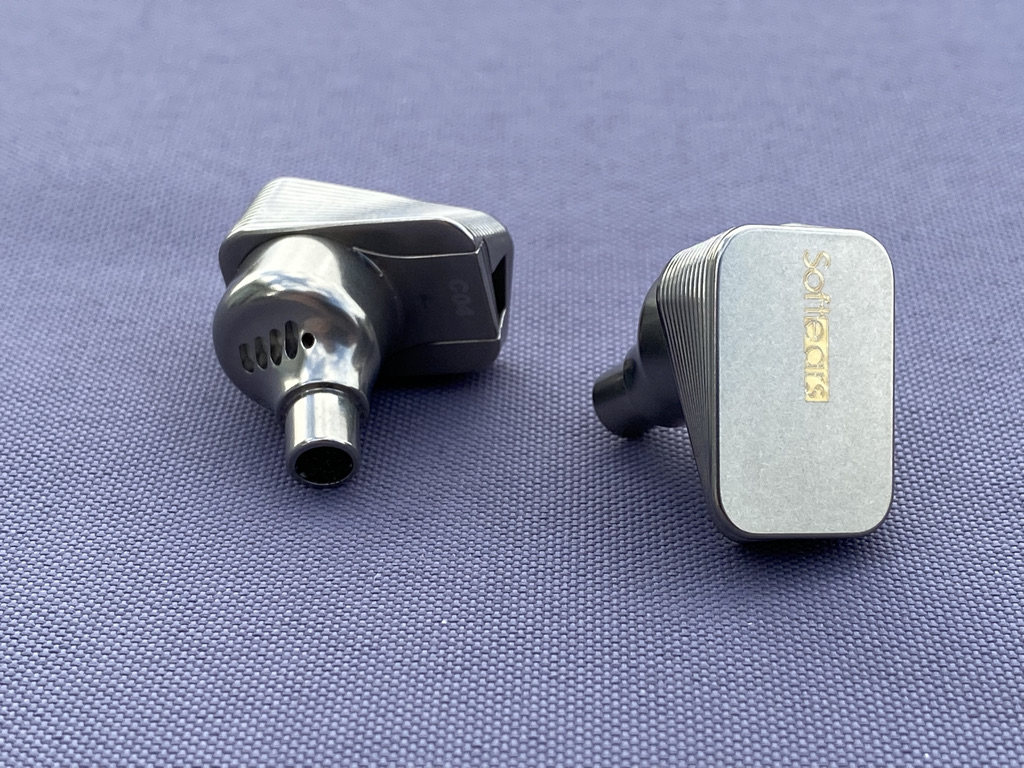
Ventura is effortless and natural, whereas Turii Ti leans more elegant and ethereal – there’s a delicacy and airiness to Turii Ti that truly won me over about three years ago. Its presentation feels more holographic and somewhat diffused. Ventura, by contrast, steps forward in terms of bass, both in sub and mid‑bass quantity and quality. I know this was a criticism some had of Turii Ti, but going back and forth now, it’s still very capable down low.
Overall, Ventura sounds “larger,” and I return again to my speaker analogy: Ventura is the huge and highly refined floorstander, while Turii Ti is the seriously capable bookshelf. Jumping between them, this size difference is immediately noticeable… Turii Ti can initially sound a touch flat, but I adjust quickly. Its upper mids are more emphasised, which brings a bit more emotion to female vocals or strings, and the treble has that airy/shimmery lift that contributes to its sense of elegance and gracefulness.
A very enjoyable revisit to what I consider a legendary IEM, and what I once upon a time crowned as my ‘G.O.A.T.’ single DD! Excited to see what Softears come up with next in this space, rumour has it there is something in the works for 2026…
Conclusion
Getting straight to it, DITA has once again delivered an absolute slam‑dunk / home run / goal with Ventura. It now comfortably holds the ‘G.O.A.T.’ crown of single DDs for me – and given my huge passion for single dynamic drivers, it’s without question also my top choice of any IEM. There are a few minor quirks, if we can even call them that: I’d prefer a better fit, though my own ear anatomy is partly to blame; I’d love a lighter, thinner cable, but the market clearly equates thick and heavy with premium; and I would have liked a smaller case for storage. Beyond those very small points, the attention to detail is evident from the moment you open the box to the very first listen. I have to tip my hat to DITA once again for their patience and discipline… never rushing, always iterating, and only releasing products when they’re truly ready to be proudly put on the shelf, and ultimately loved by their owners.
In a market that is mostly about multi-driver sets, it really is wonderful to see such huge progress within the single-driver space – DITA in my opinion have defied what feels like is possible with just one driver, pulling off a tuning that at times sounds like something that simply shouldn’t be possible, and at the same time, giving us that wonderful sense of cohesion that so many of us adore. Dramatic perhaps, but I close here by saying masterpiece!
As a final closing, Ventura’s effortlessness (I had to say it once more…), natural presentation wins me over every time, and it stands as a shining example of what a single driver can achieve.
![PXL_20260117_155907789[1].jpg](https://deepdiveaudioreviews.com/wp-content/uploads/2026/03/img_031-scaled.jpg "PXL_20260117_155907789[1].jpg")